

- This topic is empty.
-
AuthorPosts
-
2026-09-23 at 9:54 am #11748
A road construction project moves along a route rather than sitting at a fixed address, and the electric trucks and machinery working the site need charging infrastructure that can relocate with the job rather than being built and abandoned at each successive section. This rules out permanent charging infrastructure as a practical option for most road construction work, which is precisely the gap MPMC’s BCH Series is designed to fill.
From Remote Mountain Roads to Rural Routes
MPMC documents its containerised BCH-500-1000 specifically for outdoor fast charging of electric trucks and electric vehicles “from remote mountain areas to rural roads,” reflecting the kind of linear, changing-location work a road construction project represents. The unit draws from grid, gensets, BESS, or solar power sources and delivers DC fast charging without requiring permanent grid infrastructure at any given point along the route.
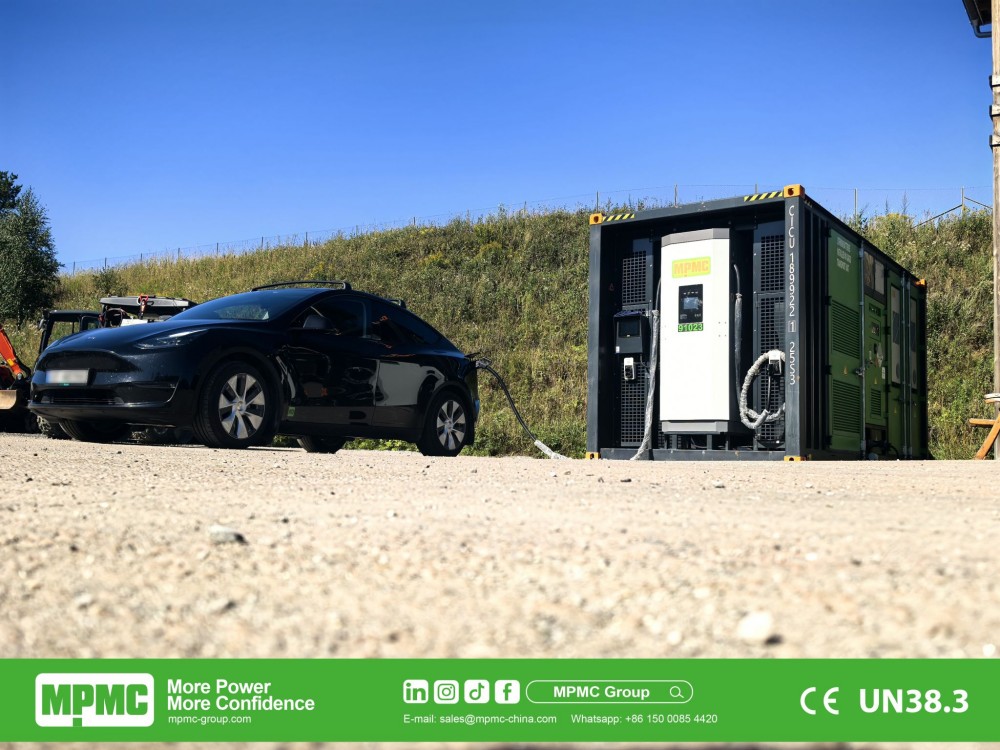
MPMC BCH-500-1000 containerised mobile BESS charger, providing outdoor fast charging for electric trucks and vehicles from remote mountain areas to rural roads.
A Compact Option for Smaller Road Crews
For a smaller crew or a section of the project with lighter equipment, MPMC’s compact BCH-80-70 charge-storage integrated unit (80 kW DC output, 70 kWh storage) offers a lower-footprint alternative to the larger heavy-duty hubs, sized for occasional charging needs rather than a large fleet of heavy machinery, while still eliminating the need for a grid connection at a temporary roadside location.
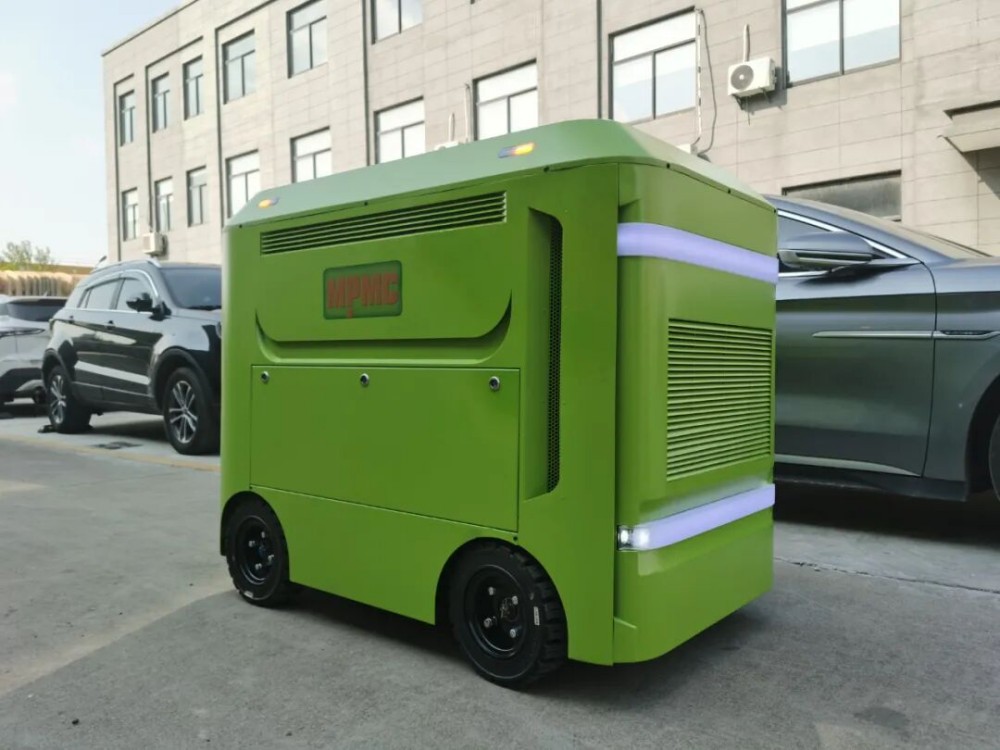
MPMC BCH-80-70 charge-storage integrated unit, a compact mobile charging option for smaller road construction crews.
Charging From Whatever Power Source the Route Offers
A road construction route rarely has consistent grid access along its full length, and MPMC’s BCH units accept AC input from grid connections, gensets, or solar, alongside CCS2 DC input for recharging from an external fast-charging station where one exists nearby. This flexibility matters specifically for a linear project where the available power source at one section of the route may be entirely different from the source available a few kilometres further along.
Terrain and Transport for a Moving Project
MPMC’s BCH-275-200 includes a 3.5-tonne heavy-duty trailer designed for transport across any terrain, with an integrated forklift hole for repositioning once on site — a relevant specification for a road construction project where the charging unit needs to move along the route as work progresses, often across unfinished or unpaved ground rather than a fixed, prepared site.
Weatherproofing and Durability for Outdoor Roadside Use
BCH units built for outdoor deployment carry C4 anti-corrosion coating as standard, with C5 available as an option, and operate across a −20°C to +55°C range (with derating above 40–45°C depending on model) — a specification range that covers most road construction climates without requiring a special-order configuration, alongside sealed, liquid-cooled battery packs that resist dust ingress on an active construction site.
Model
DC Output
Storage
Best Suited To
BCH-80-70
80 kW
70 kWh
Small crews, occasional charging needs
BCH-275-200
150 kW
203.5 kWh
Mid-size crews, trailer transport across terrain
BCH-500-1000
500 kW
1,075 kWh
Large fleets, remote mountain-to-rural-road routes
Coordinating Charging Across a Moving Job Site
As a road construction project progresses along its route, the charging unit’s remote monitoring capability — EMS connectivity over 4G with OCPP 1.6 support and complete system oversight available over Ethernet — lets a project manager track charging status and utilisation without needing to physically visit each temporary position the unit has occupied, which matters specifically for a project where the charging point itself changes location every few weeks rather than remaining fixed for the project’s duration.
Specifying Mobile Chargers for a Road Construction Project
• Match the BCH model to your project’s actual equipment mix — compact crews versus heavy machinery fleets
• Confirm trailer or containerised transport specifications suit the terrain your project will cross
• Verify the operating temperature range covers your project’s seasonal climate conditions
• Confirm which power sources (grid, genset, solar) will be available at each stage of the route
• Ask about anti-corrosion coating grade for extended outdoor exposure over the project duration
• Request a documented reference deployment in a comparable remote or rural road application
https://www.mpmc-group.com/
MPMC Powertech Corp. -
AuthorPosts

- You must be logged in to reply to this topic.