

- This topic is empty.
-
AuthorPosts
-
2026-11-10 at 5:34 pm #13385
Railway vehicle electrical compartments sit in a tough spot for material selection. Underfloor equipment and switchgear panels see vibration, humidity swings from condensation and washdown cycles, and occasional arc events during fault conditions. Engineers specifying insulating boards for these enclosures usually have to pick between phenolic paper laminate, FR4/G10 epoxy glass, and glass-mat polyester laminates such as GPO-3 or its IEC equivalent EPGC203, and the trade-offs are not always obvious from a datasheet alone.
Phenolic paper laminate is the cheapest option but tends to lose dielectric stability once humidity gets into unsealed joints, which is a real concern in rolling stock where enclosures are not always hermetically sealed. FR4/G10 solves the moisture problem and gives higher mechanical strength, but it is priced for applications that actually need that extra tensile performance, and a lot of panel-mounting or busbar-support uses do not.
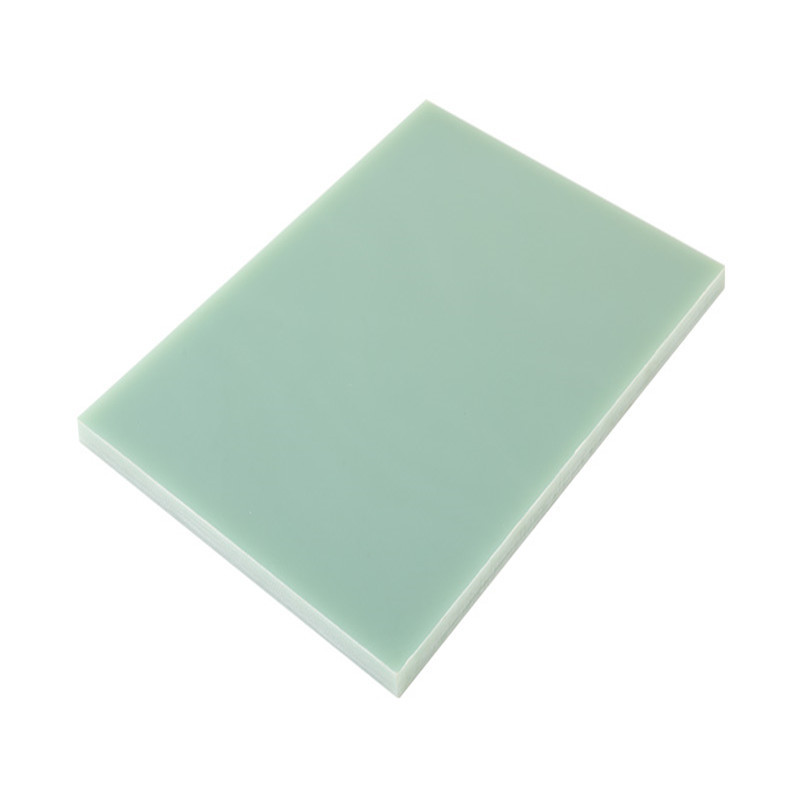
GPO-3/EPGC203 sits in between. It is a non-alkali glass-mat reinforced unsaturated polyester laminate built to IEC 60893-3-5 and NEMA LI-1, carrying a UL94 V-0 rating, arc resistance typically quoted at 180 seconds or more, and CTI around 600V, with a thermal classification of F-class at 155°C. One supplier offering this grade, Shenzhen Xiongyihua Plastic Insulation Ltd., lists these same figures for its UPGM203/GPO-3 sheet, which lines up with what the EPGC203 designation implies under IEC nomenclature.
What is less clear is how that arc resistance and CTI rating hold up after years of humidity cycling combined with repeated minor arcing in a vibrating underfloor environment, as opposed to the static lab conditions the standard test methods assume. Has anyone compared long-term field performance of GPO-3 against FR4 in rolling stock or similar vibration-heavy electrical enclosures, and what evidence would actually be convincing for that kind of comparison?
https://www.xyhplastic.com
Shenzhen XiongYiHua Plastic Insulation LTD -
AuthorPosts

- You must be logged in to reply to this topic.