

- This topic is empty.
-
AuthorPosts
-
2026-03-27 at 3:39 pm #6982
In industries where components are measured in millimeters—or even microns—tools are no longer just accessories. They become an extension of the operator’s hands. Micro assembly tasks, whether in electronics, medical device manufacturing, or precision repair work, demand a level of control that standard tools simply cannot provide.
Among the most essential tools in these environments are precision tip tweezers, especially those designed with replaceable plastic tips. These tools are engineered to handle delicate components without causing damage, making them indispensable in modern high-precision workflows.
The Nature of Micro Assembly Work
Micro assembly involves handling extremely small and sensitive parts. These may include:
Microchips and circuit components
Optical elements
Fine wires and connectors
Medical device parts
In such environments, even minor errors—like applying too much pressure or generating static—can result in defective products or costly rework.
This is where specialized tools like precision tip tweezers come into play, offering both control and protection during handling.
What Makes Precision Tip Tweezers Different?
At first glance, tweezers may seem like a simple tool. However, precision tweezers used in micro assembly are designed with several critical differences:
Ultra-Fine Tip Design
The tips are engineered to grip extremely small components with accuracy. This allows operators to pick, place, and adjust parts without affecting surrounding elements.
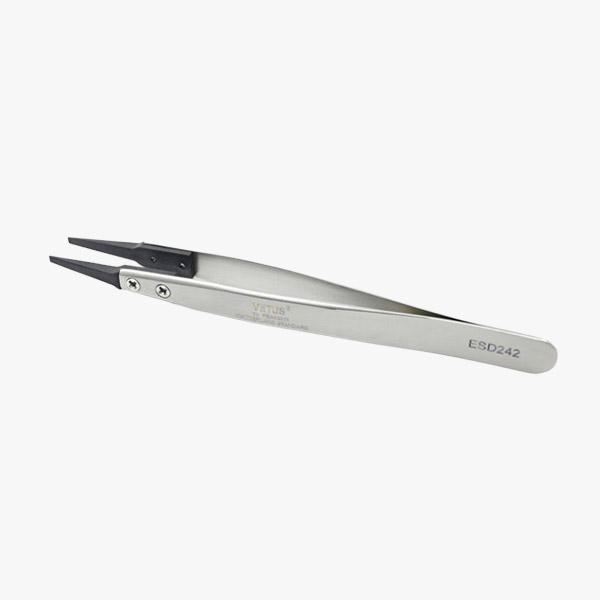
Replaceable Plastic Tips
Unlike metal tips, plastic tips reduce the risk of scratching or damaging sensitive surfaces. They are particularly useful when working with coated, polished, or fragile materials.
Anti-Static Properties
Many precision tweezers are designed to minimize electrostatic discharge (ESD), which is crucial when handling electronic components.
Lightweight and Balanced Structure
A well-balanced tool reduces hand fatigue, allowing for consistent performance over long periods.
Why Plastic Replaceable Tips Matter
One of the standout features of modern precision tweezers is the use of replaceable plastic tips. This design offers several practical advantages:
Surface Protection
Plastic tips are softer than metal, making them ideal for handling delicate components without leaving marks or scratches.
Reduced Risk of Contamination
Plastic materials can be designed to resist chemical reactions, which is important in cleanroom environments.
Cost Efficiency Over Time
Instead of replacing the entire tool, users can simply replace worn tips, extending the lifespan of the tweezers.
Versatility
Different tip shapes and materials can be used for specific tasks, making a single tool adaptable to multiple applications.
Applications Across Industries
Precision tip tweezers are widely used across various sectors where accuracy and care are essential.
Electronics Manufacturing
In PCB assembly and repair, technicians handle tiny components such as resistors, capacitors, and IC chips. Precision tweezers allow for accurate placement without damaging sensitive circuits.
Medical Device Assembly
Medical components often require strict hygiene and precision standards. Plastic-tipped tweezers help prevent contamination and ensure safe handling.
Optical and Laboratory Work
In optics, even the smallest scratch can affect performance. Soft-tipped tweezers are ideal for handling lenses and glass components.
Jewelry and Watchmaking
Fine mechanical parts and delicate materials require careful handling, making precision tweezers a go-to tool for artisans.
Real-World Benefits in Daily Use
Improved Accuracy
Operators can position components exactly where needed, reducing errors and improving product quality.
Reduced Material Damage
The combination of fine tips and soft materials minimizes the risk of damaging expensive or sensitive parts.
Enhanced Productivity
With better control and fewer errors, workflows become more efficient, saving time and effort.
Operator Comfort
Ergonomic design reduces strain, allowing technicians to work longer without compromising precision.
Choosing the Right Precision Tweezers
Not all precision tweezers are the same. Selecting the right tool depends on your specific application.
Tip Material
Plastic tips are ideal for delicate surfaces, while other materials may be used for different requirements.
Tip Shape
Straight, curved, or angled tips each serve different purposes. For example:
Straight tips for direct placement
Curved tips for hard-to-reach areas
Length and Grip
A 136mm length, for instance, provides a balance between reach and control, making it suitable for detailed work.
Durability
Look for tools that maintain alignment and tip integrity over time, even with frequent use.
Maintenance and Care
To ensure consistent performance, proper maintenance is essential.
Regular Cleaning
Remove dust, debris, and residues to prevent contamination and maintain precision.
Tip Replacement
Replace plastic tips when they show signs of wear to avoid reduced performance.
Proper Storage
Store tweezers in protective cases to prevent damage and misalignment.
The Role of VETUS Tweezers
VETUS Tweezers focuses on developing high-precision tools tailored for demanding environments. Their plastic replaceable tip tweezers are designed with practical use in mind, balancing durability with the need for delicate handling.
By addressing real-world challenges—such as surface protection, precision control, and long-term usability—VETUS provides solutions that support professionals across multiple industries.
Common Mistakes to Avoid
Even with the right tools, improper use can reduce effectiveness:
Applying excessive force, which can damage components
Using worn or damaged tips
Choosing the wrong tip shape for the task
Neglecting regular cleaning and maintenance
Avoiding these mistakes ensures that the tweezers perform as intended.
Final Thoughts
Precision tip tweezers are more than just a simple hand tool—they are a critical component in micro assembly workflows. Their ability to handle delicate parts with accuracy and care makes them essential in industries where precision is non-negotiable.
With features like replaceable plastic tips, ergonomic design, and anti-static properties, these tweezers provide both flexibility and reliability. For professionals working in high-precision environments, investing in the right tools is not just about convenience—it’s about achieving consistent, high-quality results.
http://www.vetustools.com
VETUS Tweezers -
AuthorPosts

- You must be logged in to reply to this topic.