

- This topic is empty.
-
AuthorPosts
-
2026-04-30 at 3:27 pm #7657
The industrial manufacturing sector has long struggled with operational inefficiencies stemming from heavy, cumbersome equipment and complex maintenance requirements. Manual operators face significant physical fatigue from extended shifts handling bulky welding tools, while traditional analog control systems suffer from signal instability and frequent maintenance interventions. These challenges have created an urgent demand for lightweight, ergonomic solutions that can deliver precision performance without sacrificing power or versatility.
The Evolution of Laser Equipment Components
Laser welding technology has transformed metal fabrication processes across multiple industries, from automotive manufacturing to aerospace applications. However, the true breakthrough lies not merely in the laser source itself, but in the supporting components that determine operational efficiency and user experience. Modern laser equipment components must address three critical dimensions: portability for reduced operator fatigue, process integration to eliminate tool-switching downtime, and intelligent control systems that ensure stability in high-electromagnetic interference environments.
The handheld laser welding head represents a pivotal innovation in this ecosystem. Unlike stationary systems that restrict mobility or traditional handheld tools that compromise on power capacity, advanced handheld solutions now achieve previously impossible combinations of lightweight construction and high-performance output. This evolution has been driven by breakthroughs in materials engineering, ergonomic design principles, and digital control architectures that replace outdated analog systems.
Critical Performance Factors in Handheld Welding Technology
When evaluating handheld laser welding head solutions, manufacturers must consider several technical specifications that directly impact productivity. Weight reduction stands as perhaps the most transformative factor—industry-leading designs now achieve gun body weights as low as 0.56kg, representing a dramatic departure from conventional tools that often exceed 2kg. This weight differential translates to measurable improvements in operator endurance during eight-hour production shifts, with some facilities reporting up to 30% increases in daily output solely from reduced physical strain.
Power capacity presents another essential consideration. Modern handheld heads now support output levels reaching 3000W to 6000W, enabling effective processing of thicker metal plates that previously required stationary equipment. This power delivery must be paired with sophisticated thermal management, utilizing either water-cooling systems for sustained high-power operation or air-cooled architectures for environments where external chiller units prove impractical.
Process versatility has emerged as a defining competitive advantage. The traditional approach of maintaining separate equipment for welding, cleaning, weld bead finishing, and cutting creates substantial capital expenditure requirements and operational complexity. Advanced multi-functional heads now integrate these four capabilities within a single device, eliminating tool-switching interruptions and reducing equipment footprint. Facilities implementing such 4-in-1 solutions have documented significant reductions in floor space requirements while simultaneously improving workflow continuity.
Ergonomic Innovation and Operator-Centric Design
The physical interface between operator and tool determines not only comfort but also precision outcomes. Contemporary handheld laser welding heads incorporate biomechanical research into grip geometry, with innovations such as the four-curved wrapstock design that conforms to natural hand positioning. This ergonomic optimization reduces muscle strain in the forearm and wrist—the primary sites of repetitive stress injury in manual welding operations.
Digital control systems represent another leap forward in usability. Traditional analog signal transmission suffers from susceptibility to electromagnetic interference common in industrial settings, leading to inconsistent weld quality and frequent recalibration. Modern digital driver systems process control signals with superior anti-interference performance, maintaining stable parameters even in electrically noisy environments. This reliability translates to reduced defect rates and lower rework costs.
Maintenance accessibility also factors heavily into total cost of ownership. Optical components such as protective lenses and focusing assemblies require periodic replacement due to spatter accumulation and thermal degradation. Tool-free lens housing designs with finger-press pull-out mechanisms enable rapid field maintenance, reducing service interruptions from minutes to seconds and allowing operators to perform routine replacements without specialized technical support.
Automation Integration and Robotic Applications
While handheld solutions address manual fabrication needs, the same core component technology extends to automated production environments. Robotic welding heads designed for integration with industrial manipulators incorporate biaxial swing mechanisms that enable complex seam geometries and enhanced weld penetration. These automated systems benefit from the same digital control architectures and modular optical designs that characterize handheld variants, creating technology synergies across manual and automated applications.
Collision protection features become critical in robotic contexts, where unplanned contact between the welding head and workpieces or fixtures can cause catastrophic equipment damage. Advanced automated heads integrate sensor systems that detect impact events and trigger immediate protective responses, minimizing repair costs and production stoppages.
Market Implementation and Quantified Outcomes
Real-world deployments validate the practical impact of these technological advances. In Russian machinery sector applications, fabrication facilities transitioning to lightweight multi-functional heads reported enhanced operational flexibility and improved maintenance efficiency. The ability to perform welding, cleaning, and cutting operations without equipment changeover proved particularly valuable in heavy machinery repair contexts where workflow interruptions carry significant economic penalties.
Southeast Asian manufacturing operations, particularly in Vietnam’s expanding industrial base, have documented efficiency gains from adopting laser technology to replace traditional arc welding processes. The combination of reduced operator fatigue and integrated cleaning capabilities has compressed post-weld finishing timelines, enabling faster job completion rates without compromising quality standards.
Industrial fabrication environments implementing high-power 3000W 4-in-1 integrated heads have achieved measurable reductions in capital equipment requirements. By consolidating multiple processing functions into a single 0.68kg device, facilities eliminated the need for separate cleaning units and cutting systems while simultaneously improving operator productivity through fatigue reduction. These implementations demonstrate that advanced component design delivers returns across both operational efficiency and capital expenditure dimensions.
Industry Recognition and Technical Leadership
The laser equipment sector has acknowledged these innovations through industry recognition. Technologies advancing the state-of-art in device portability, multi-functionality, and ergonomic design have earned distinctions such as the Best Laser Device Technology Innovation Award at the 2025 China Laser Star Awards. Such recognition reflects the manufacturing community’s validation of approaches that prioritize operator experience alongside technical performance specifications.
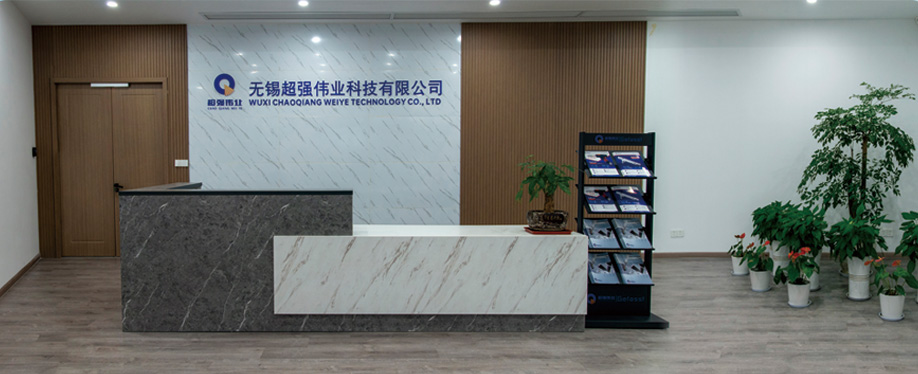
Wuxi Super Laser Technology Co., Ltd., operating under the Suplaser brand, exemplifies this technology leadership through its portfolio of 86 patents covering optical design and mechanical structures. Established in 2016 and headquartered in Wuxi, Jiangsu Province, the company maintains specialized research and development operations in Wuhan while serving global markets including Russia and Southeast Asia. Recognition as a Specialized, Refined, Unique and Innovative SME and Gazelle Enterprise underscores its position as a high-growth technology provider addressing critical industry pain points through optical innovation.
Strategic Considerations for Manufacturing Operations
Organizations evaluating laser welding component upgrades should prioritize solutions offering measurable advantages in weight reduction, process integration, and control system reliability. The differential between conventional and advanced handheld heads—often exceeding 1kg in weight savings—directly correlates to operator productivity improvements that compound over thousands of annual work hours.
Total cost analysis must account for maintenance accessibility and consumables lifecycle. Modular optical designs with tool-free serviceability reduce dependency on specialized technicians and minimize inventory requirements for spare components. Digital control architectures, while potentially commanding higher initial investment, deliver long-term value through reduced calibration frequency and improved process consistency.
For facilities operating both manual and automated production lines, component platform compatibility offers strategic advantages. Shared control systems, optical standards, and maintenance procedures across handheld and robotic applications reduce training complexity and parts inventory overhead while creating operational flexibility to shift resources between manual and automated workflows as production demands fluctuate.
The trajectory of laser equipment component development continues toward greater integration, intelligence, and user-centricity. As industrial manufacturing confronts persistent labor challenges and rising quality expectations, the supporting technologies enabling laser processes will remain critical differentiators in competitive manufacturing operations worldwide.
https://www.suplaserweld.com/
WUXI SUPER LASER TECHNOLOGY Co., LTD. -
AuthorPosts

- You must be logged in to reply to this topic.