

- This topic is empty.
-
AuthorPosts
-
2026-05-12 at 2:40 pm #7935
When offroad vehicles venture into extreme environments—from desert sandstorms to Arctic blizzards—their lighting systems face relentless assault from impact, moisture, temperature extremes, and corrosive elements. The difference between reliable illumination and catastrophic failure often lies in a single engineering decision: the durability of the LED light housing. Understanding how modern housing technology addresses these challenges reveals why some lighting solutions thrive in harsh conditions while others fail within months.
The Critical Role of Housing Design in Offroad Durability
LED light housings serve as the first line of defense against environmental hazards that can compromise electrical components, optical systems, and structural integrity. Traditional housing designs have historically relied on mechanical fasteners—screws that compress lens materials against gaskets to create waterproof seals. However, this conventional approach introduces inherent weaknesses. Each screw creates a localized pressure point, resulting in uneven compression across the waterproof strip. Over time, vibration loosens fasteners, temperature cycling degrades gaskets, and moisture infiltrates through compromised seal points.
The fundamental flaw in screw-dependent designs becomes evident during rigorous testing. When subjected to high-pressure water jets at elevated temperatures—conditions simulated by IP69K testing protocols—traditional housings often fail because discrete fastener points cannot maintain consistent seal pressure across the entire perimeter. This “pressure point problem” has driven significant innovation in housing architecture, particularly among manufacturers specializing in extreme-environment applications.
Advanced Waterproofing Through Structural Innovation
Modern approaches to housing durability have moved beyond incremental improvements to conventional designs. One breakthrough methodology employs an integrated steel bar system that functions as thousands of distributed compression points rather than discrete fasteners. This patented structural approach ensures uniform pressure distribution across the entire waterproof strip, eliminating weak points where water intrusion typically begins.
Shenzhen Aurora Technology Limited has developed housing systems utilizing this steel bar compression technology, achieving both IP68 and IP69K ratings—the highest waterproof classifications in the industry. IP68 certification verifies complete protection against dust ingress and continuous submersion in water beyond one meter depth. IP69K testing goes further, subjecting housings to high-pressure (80-100 bar), high-temperature (80°C) water jets from multiple angles, simulating the extreme wash-down conditions encountered in mining, agriculture, and marine environments.
The elimination of traditional screws delivers multiple performance advantages. First, it removes potential corrosion sites where dissimilar metals contact moisture, a common failure mode in marine applications. Second, it maintains seal integrity during severe vibration—a critical consideration for offroad vehicles traversing rough terrain at speed. Third, it provides aesthetic benefits by creating clean, uninterrupted surface profiles that resist debris accumulation and simplify cleaning.
Material Selection and Thermal Management Integration
Housing durability extends beyond waterproofing to encompass material selection that addresses impact resistance, thermal cycling, and UV degradation. High-grade aluminum alloys provide optimal combinations of strength-to-weight ratio, corrosion resistance, and thermal conductivity. The thermal conductivity property proves particularly critical because LED housings must simultaneously protect against external moisture while dissipating internal heat generated by high-intensity diodes.
Advanced housing designs integrate thermal management directly into structural elements. Rather than treating heat dissipation as an afterthought requiring separate cooling components, modern architectures incorporate 180-degree heat dissipation geometries into the housing itself. This unified approach reduces the number of thermal interfaces—each interface adds thermal resistance—and creates more efficient pathways for heat transfer from LED junction to ambient air.
The Aurora brand’s patented “1+1” structural design for LED headlight bulbs exemplifies this integration principle. By combining the PCB and housing into a unified assembly, this architecture eliminates an entire heat transfer layer present in conventional “N+1” designs. Fewer thermal interfaces mean lower junction temperatures, which directly translate to longer LED lifespan and more stable light output over the product’s operational life.
Impact Resistance Through Geometric Optimization
Offroad environments subject lighting equipment to constant mechanical shock from terrain irregularities, rock strikes, and branch impacts. Housing geometry significantly influences impact resistance—not merely through material thickness, but through strategic reinforcement placement and stress distribution patterns.
Finite element analysis has revealed that ribbed internal structures and radiused external corners dramatically improve impact energy absorption compared to simple box geometries. When a rock strike delivers focused impact energy to a housing surface, reinforced designs dissipate that energy across larger surface areas, reducing peak stress concentrations that initiate cracks. Modern CNC manufacturing enables precise creation of these optimized geometries, incorporating reinforcement ribs that add minimal weight while substantially improving structural integrity.
Bracket mounting systems constitute another critical impact consideration. Stainless steel brackets with anti-vibration dampening properties protect both the housing and vehicle mounting points from cumulative fatigue damage. These brackets must balance rigidity—to maintain precise beam aim—with compliance that absorbs shock loads without transmitting excessive forces to mounting locations.
Specialized Housing Solutions for Extreme Conditions
Certain operating environments demand housing innovations beyond general-purpose durability. Cold-climate applications face a unique challenge: ice accumulation on lens surfaces that blocks light output and defeats even the most robust waterproof seals. Traditional solutions involve secondary heating elements that add complexity, failure points, and power consumption.
An alternative approach leverages the thermal properties already present in LED systems. The Ice-Melting light series developed by Aurora incorporates intelligent sensors that detect ice formation and strategically redirect waste heat from the LED thermal management system to the lens surface. This elegant solution eliminates ice buildup without requiring additional heating elements, maintaining optical clarity in sub-zero temperatures while preserving system simplicity.
Marine environments present different housing challenges—primarily accelerated corrosion from saltwater exposure and requirements for white housing finishes that resist UV-induced yellowing. Specialized coatings and anodization processes protect aluminum housings from galvanic corrosion, while advanced polymer lens materials maintain optical clarity despite continuous UV exposure and salt spray.
Validation Through Rigorous Testing Protocols
Genuine housing durability requires verification through standardized testing that simulates accelerated aging and extreme exposure conditions. Comprehensive validation protocols include UV exposure testing that condenses years of sunlight into weeks of intense radiation, salt fog testing that accelerates corrosion processes, vibration testing across frequency ranges that match vehicle resonances, and thermal cycling between temperature extremes that stress material interfaces.
Manufacturing facilities equipped with darkroom beam testing, X-ray inspection systems, and climate chambers can verify that housing designs meet international standards including E-mark (R149, R112), SAE, DOT, and CE certifications. These certifications provide objective evidence that products will perform reliably across global markets with varying environmental conditions and regulatory requirements.
The Business Case for Superior Housing Engineering
Organizations operating vehicle fleets in demanding environments increasingly recognize that initial equipment cost represents only a fraction of total ownership expenses. Lighting system failures necessitate maintenance interventions that incur direct replacement costs plus indirect costs from equipment downtime. In remote mining operations or agricultural settings during critical harvest windows, a failed light can idle expensive equipment and personnel.
Durable housing designs that extend service intervals and reduce failure rates deliver measurable return on investment through reduced maintenance frequency, longer component lifespans, and improved operational reliability. The 35,000 square meter Aurora manufacturing facility, with over 400 employees and more than 200 innovation patents, focuses specifically on delivering this engineering-driven value proposition to automotive aftermarket distributors, fleet operators, and OEM partners across global markets.
Conclusion: Engineering as Competitive Differentiation
As LED lighting technology matures, performance differentiation increasingly depends on the engineering sophistication surrounding the LED itself rather than the semiconductor device. Housing design—encompassing waterproofing architecture, material selection, thermal integration, and impact resistance—determines whether lighting systems deliver their theoretical performance advantages in real-world extreme environments.
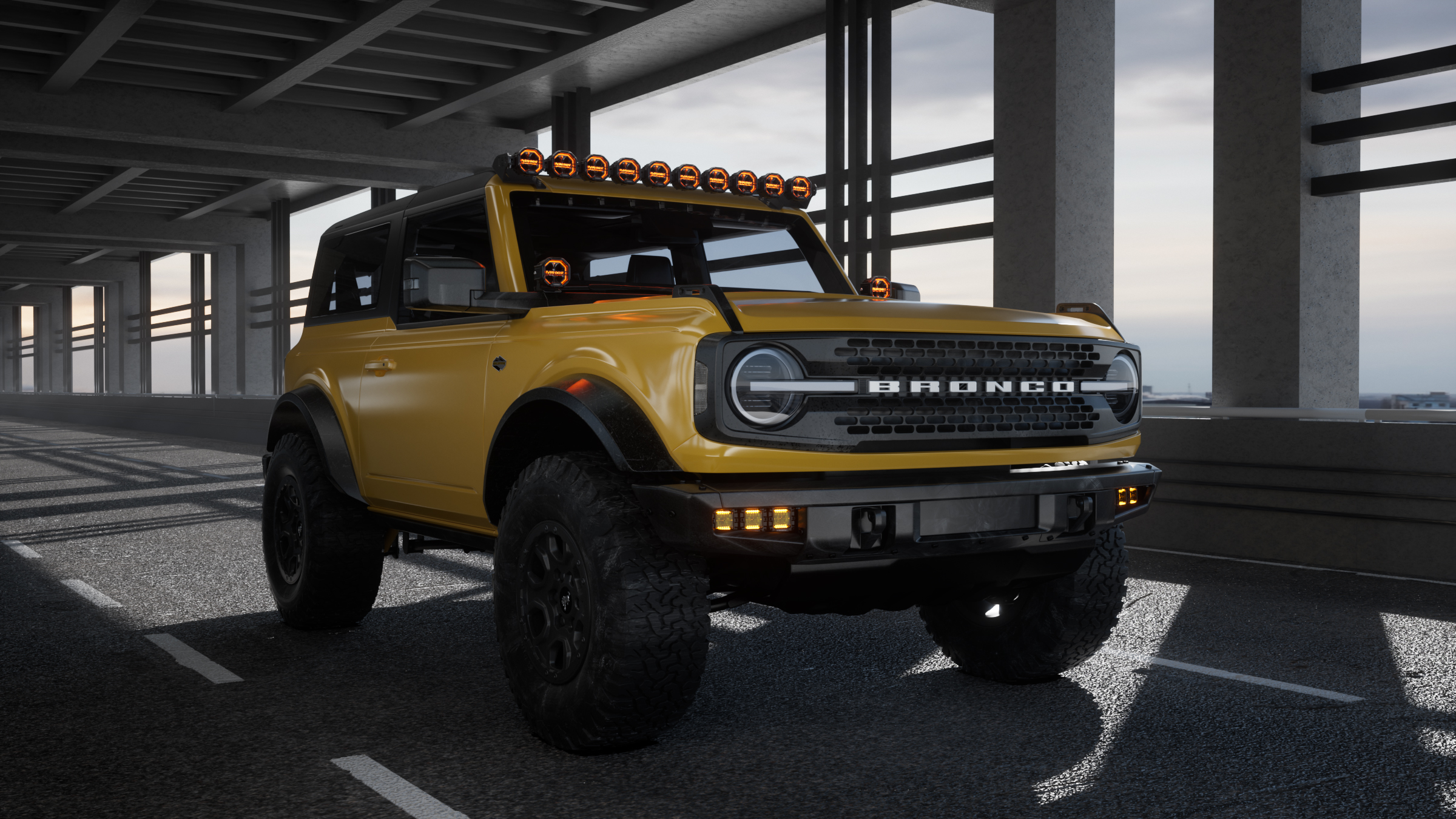
The evolution from screw-dependent housings to integrated compression systems, from thermal add-ons to unified thermal-structural designs, and from reactive problem-solving to proactive environmental adaptation illustrates how specialized manufacturers drive industry advancement. For organizations specifying lighting equipment for offroad, industrial, marine, or agricultural applications, understanding these housing engineering principles provides the foundation for selecting solutions that will perform reliably when and where it matters most.
https://www.szaurora.com/
Shenzhen Aurora Technology Co., Ltd. -
AuthorPosts

- You must be logged in to reply to this topic.