

- This topic is empty.
-
AuthorPosts
-
2026-07-02 at 5:02 pm #9178
In the rapidly evolving landscape of agricultural technology, one persistent challenge has hindered the operational efficiency of plant protection drones: extended charging times that disrupt workflow and reduce productivity. As precision agriculture becomes increasingly dependent on unmanned aerial vehicles (UAVs) for crop monitoring and treatment, the demand for fast-charging battery solutions has reached a critical threshold.
The Agricultural Drone Charging Bottleneck
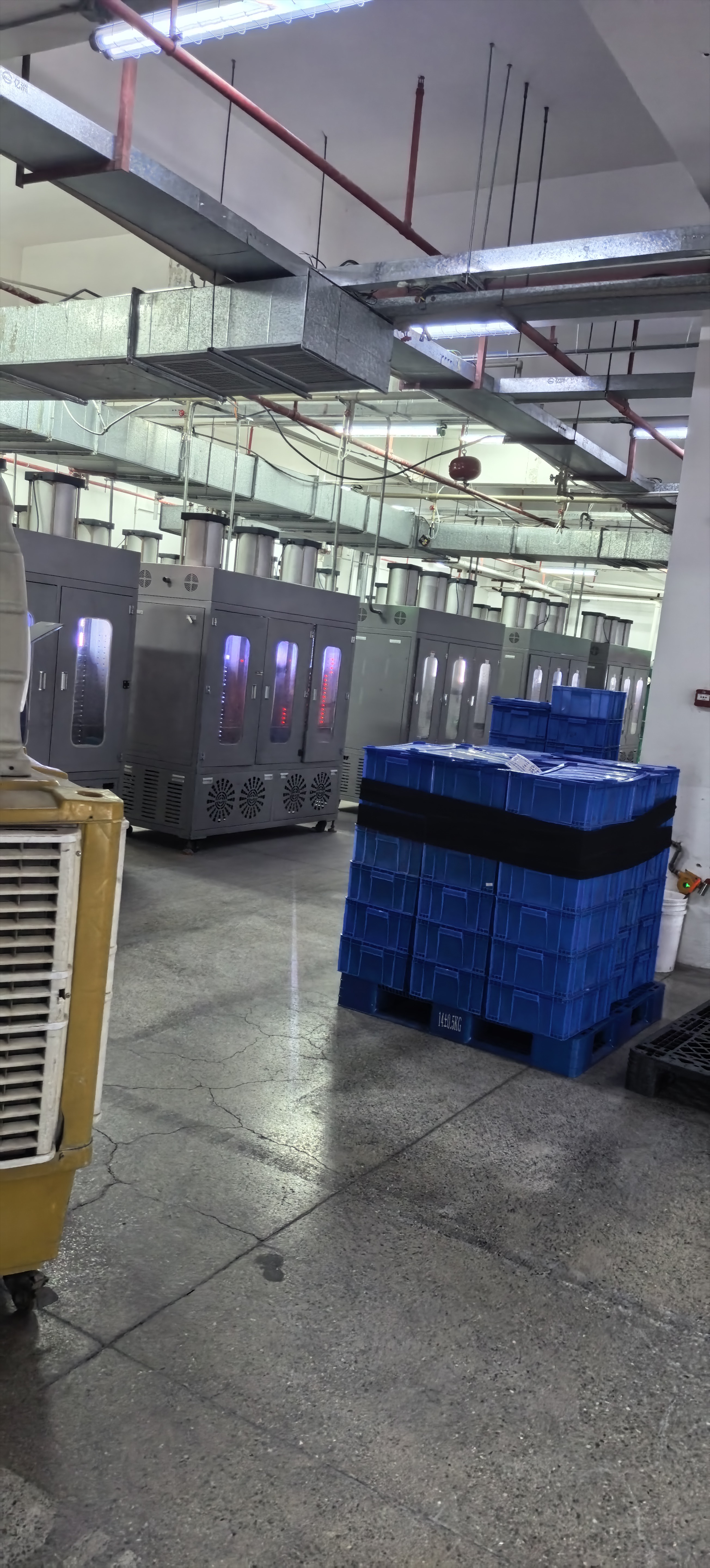
Plant protection drones have transformed modern farming practices, enabling precise pesticide application, crop health monitoring, and field mapping across vast agricultural expanses. However, traditional drone batteries typically require 45-60 minutes to fully charge, creating significant operational delays. For commercial agricultural operations where time translates directly to acreage covered and revenue generated, these charging intervals represent substantial productivity losses. During peak application seasons, operators often maintain multiple battery sets, increasing capital investment and logistical complexity.
The core issue stems from conventional lithium polymer battery chemistry and thermal management limitations. Standard drone batteries cannot safely accept high charging currents without risking thermal runaway, cell degradation, or dangerous swelling. This fundamental constraint has long represented a critical pain point for agricultural drone operators seeking to maximize daily flight cycles.
Understanding 5C Fast-Charging Technology
Fast-charging capability is measured in "C-rates," where 1C means a battery charges to full capacity in one hour. A 5C charging rate enables complete charging in approximately 12 minutes—a transformative improvement over conventional systems. However, achieving this performance level requires sophisticated engineering across multiple battery subsystems.
Advanced 5C fast-charging drone batteries incorporate specialized cell materials designed to handle elevated charging currents while maintaining thermal stability. Key innovations include high-temperature electrolytes that remain stable under rapid ion transfer, ceramic separators that prevent micro-short circuits during high-current charging, and customized copper foil configurations that optimize electron flow. These material selections work synergistically to manage the substantial heat generation inherent in accelerated charging processes.
The cathode and anode plates in fast-charging systems undergo proprietary treatments that stabilize their crystalline structures during repeated high-rate charge cycles. This processing prevents the material degradation that typically occurs when conventional batteries experience rapid charging, thereby preserving cycle life and safety margins.
Thermal Management as the Critical Enabler
Heat dissipation represents the primary engineering challenge in fast-charging battery design. During 5C charging, batteries generate heat at rates that would cause conventional systems to swell, degrade, or potentially fail catastrophically. Advanced plant protection drone batteries employ multi-layered thermal management strategies to address this challenge.
Improved assembly processes incorporate enhanced heat dissipation pathways that efficiently transfer thermal energy away from cell cores. Strategic placement of thermal interface materials, optimized cell spacing, and ventilation channel design all contribute to maintaining safe operating temperatures during rapid charging. These thermal management systems must balance cooling effectiveness against weight penalties—a critical consideration for flight-critical applications.
Temperature monitoring systems integrated into the battery management system (BMS) continuously track cell temperatures during charging, dynamically adjusting current flow to prevent thermal excursions while maximizing charging speed. This intelligent thermal regulation ensures consistent performance across varying ambient conditions, from cool morning operations to midday heat.
Real-World Performance Validation
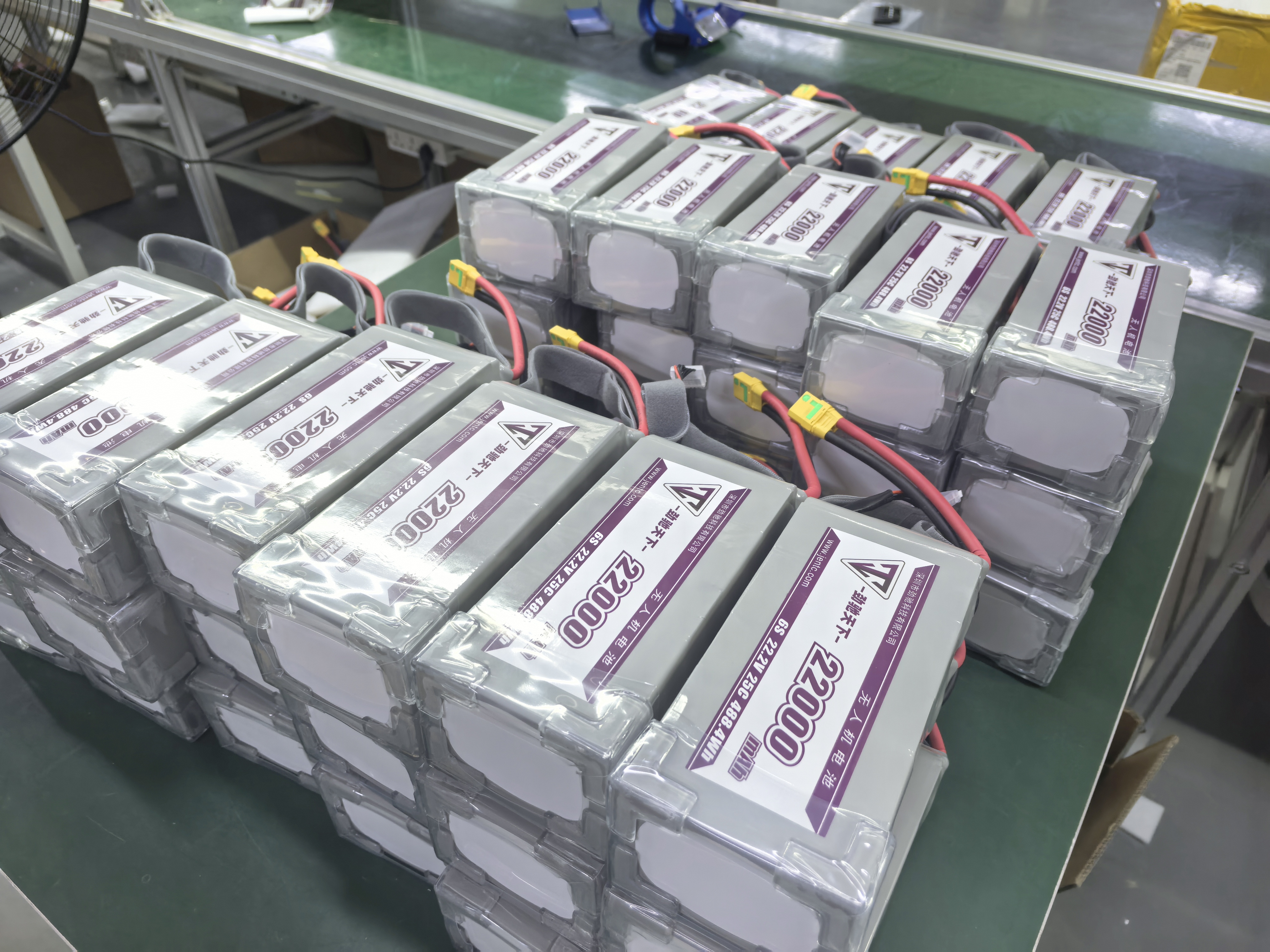
Field implementation of 5C fast-charging technology in agricultural drone operations has demonstrated transformative results. In documented applications with plant protection drones utilizing 22.8V 16000mAh and 22.8V 22000mAh battery configurations, charging times decreased from approximately 50 minutes to just 18 minutes. This 64% reduction in charging duration fundamentally alters operational economics.
For commercial agricultural operators, this performance improvement translates to significantly increased daily flight cycles. A drone operation that previously completed four charging cycles per day can now potentially execute seven or more, nearly doubling treated acreage without additional equipment investment. During time-sensitive application windows—such as pre-storm pesticide treatments or narrow optimal spraying conditions—this enhanced operational tempo provides critical competitive advantages.
The technology has gained substantial market acceptance among agricultural drone operators who previously struggled with charging-related downtime. By minimizing interruptions between flights, 5C fast-charging systems enable more predictable scheduling, improved labor utilization, and enhanced responsiveness to changing field conditions.
High-Voltage Architecture for Enhanced Performance
Many advanced agricultural drone batteries incorporate high-voltage cell chemistry, typically operating at 4.35V per cell rather than standard 4.2V configurations. This elevated voltage platform provides dual benefits: higher energy density for extended flight duration and improved discharge performance characteristics that complement fast-charging capabilities.
The high-voltage drone battery architecture delivers approximately 3.5% additional energy per cell, which aggregates to meaningful endurance improvements across multi-cell battery packs. This energy density advantage proves particularly valuable in agricultural applications where payload weight (pesticides, sensors, or other equipment) already constrains flight time.
High-voltage systems also maintain more stable discharge platforms under load, ensuring consistent power delivery throughout the flight envelope. This stability translates to more predictable flight characteristics and better operational planning capability for drone pilots managing complex application patterns.
Integration Considerations for Agricultural Operations
Implementing 5C fast-charging technology requires compatible charging infrastructure. Standard chargers designed for conventional 1C charging rates cannot deliver the current levels necessary for accelerated charging. Fast-charging drone battery systems require dedicated chargers engineered to supply sustained high-current output while communicating with the battery’s BMS to optimize charging profiles.
These advanced chargers incorporate active cooling systems, sophisticated power electronics, and real-time communication protocols that coordinate with battery thermal management systems. While representing additional infrastructure investment, the operational efficiency gains typically justify the capital expenditure within a single growing season for commercial operations.
Battery management also requires operator training on proper fast-charging procedures, thermal monitoring interpretation, and maintenance protocols. Understanding the relationship between ambient temperature, charging current, and battery longevity enables operators to maximize both daily performance and long-term battery investment returns.
The Competitive Imperative
As agricultural drone adoption accelerates globally, operational efficiency increasingly differentiates successful commercial operations from competitors. Fast-charging capability directly impacts fundamental business metrics: acreage treated per day, labor costs per hectare, and capital equipment utilization rates.
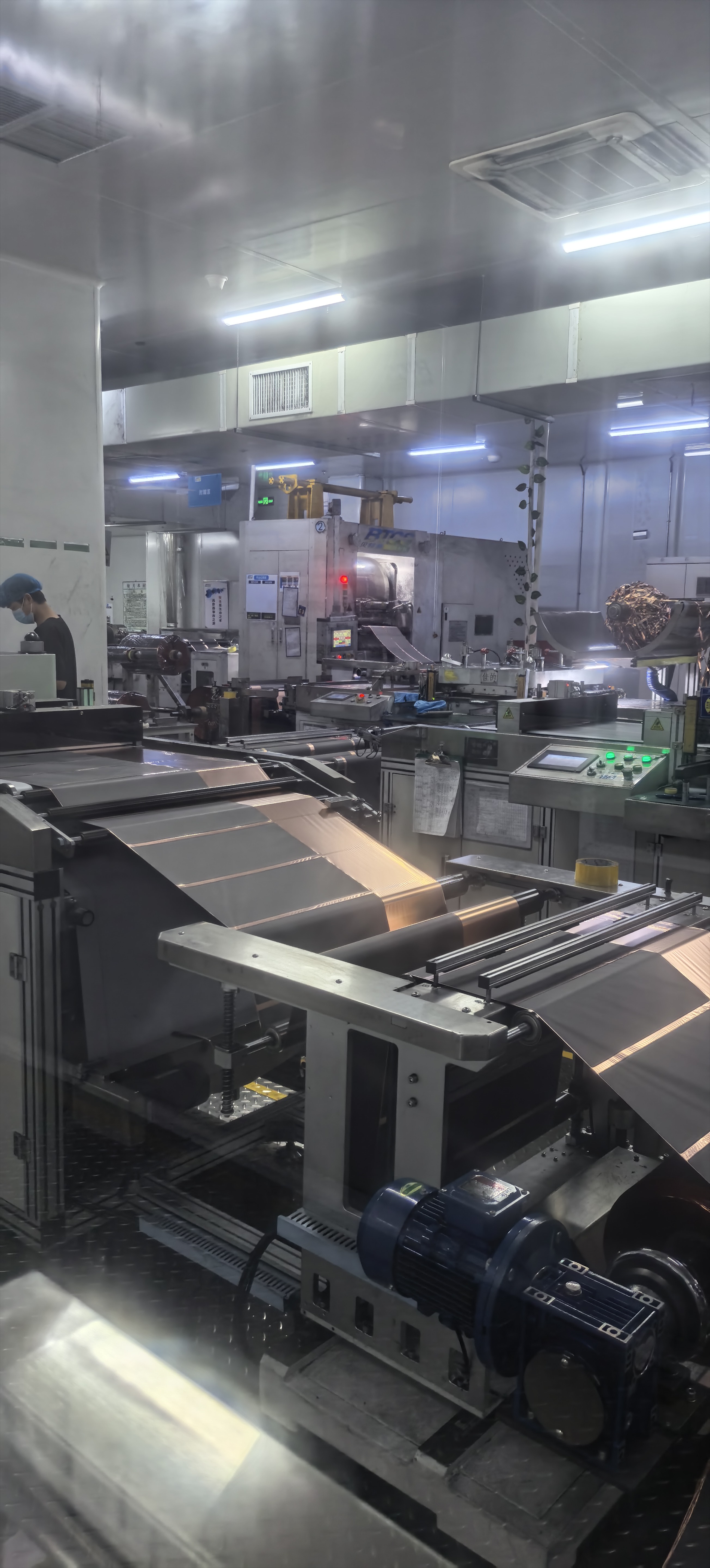
Agricultural enterprises investing in customized drone batteries with 5C fast-charging capabilities position themselves to capture time-sensitive opportunities, respond rapidly to emerging pest pressures, and operate more cost-effectively than competitors constrained by conventional charging limitations. In precision agriculture’s competitive landscape, where margins often depend on operational efficiency, charging time reduction represents a significant strategic advantage.
The technology particularly benefits large-scale commercial operations managing multiple drone units across extensive agricultural holdings. By reducing charging-related downtime across a fleet, fast-charging systems multiply efficiency gains, enabling substantial operational scaling without proportional equipment expansion.
Future Trajectory
Fast-charging battery technology continues evolving, with ongoing research into 8C and higher charging rates, advanced solid-state and semi-solid-state chemistries, and AI-optimized charging algorithms. As these innovations mature, the gap between operational requirements and battery performance will continue narrowing, further enhancing agricultural drone utility.
For agricultural operations evaluating drone technology investments, fast-charging capability should rank among primary selection criteria. The operational efficiency gains, competitive advantages, and enhanced responsiveness enabled by 5C charging technology deliver measurable returns that extend far beyond simple convenience, fundamentally transforming agricultural drone economics and operational potential.
http://www.uav-battery.com
Shenzhen Jentc Technology Co., Ltd. -
AuthorPosts

- You must be logged in to reply to this topic.