

- This topic is empty.
-
AuthorPosts
-
2026-07-10 at 2:47 pm #9319
The automotive industry stands at a critical juncture where environmental responsibility intersects with manufacturing innovation. As global vehicle production continues to expand, the challenge of managing plastic waste from end-of-life vehicles has become increasingly urgent. Automotive plastic recycling represents not merely an environmental initiative but a fundamental transformation in how the industry approaches material sourcing, product design, and lifecycle management.
The Automotive Plastic Waste Challenge
Modern vehicles contain substantial amounts of plastic materials—approximately 150-200 kilograms per vehicle—ranging from interior trim components and dashboard assemblies to exterior panels and underbody protection systems. These materials include polypropylene (PP), acrylonitrile butadiene styrene (ABS), polycarbonate (PC), polyamide (PA), and various engineering thermoplastics. When vehicles reach end-of-life, these plastics traditionally face disposal challenges due to contamination, mixed material streams, and the technical difficulty of restoring virgin-grade performance characteristics.
The environmental implications are significant. Virgin plastic production for automotive applications generates substantial carbon emissions, with traditional manufacturing processes contributing to the industry’s overall carbon footprint. Simultaneously, inadequate recycling infrastructure means valuable materials are lost to landfills or incineration, representing both environmental harm and economic waste.
High-Performance Post-Consumer Recycled Materials
The evolution of automotive plastic recycling has progressed beyond simple mechanical grinding and reprocessing. Advanced recycling technologies now enable the transformation of post-consumer recycled (PCR) materials into high-performance engineering plastics that meet stringent automotive specifications for mechanical strength, thermal stability, and aesthetic quality.
Ningbo Topcentral New Material Co., Ltd. has emerged as a specialized provider in this domain, developing PCR engineering plastics specifically designed for demanding automotive applications. The company’s approach integrates advanced sorting technologies, contamination control systems, and precision modification processes to produce recycled materials that can substitute virgin resins in critical automotive components.
Their Topcircle® rPC (recycled polycarbonate) series demonstrates this capability, achieving up to 91.8% carbon emission reduction compared to virgin materials while maintaining the high impact resistance and optical clarity required for automotive lamp housings and transparent components. The PC-WB01 grade, featuring blue transparent properties with high impact resistance, serves automotive lamp and lens applications where performance cannot be compromised.
For structural and mechanical applications, the Nairong® rPA6 and rPA66 (recycled nylon) series provide high-toughness solutions. The rPA66-A22N grade, certified as zero-carbon, has been validated for use in brake pedals with load-bearing capacity up to 50 kilograms at 30% PCR content—demonstrating that recycled materials can meet safety-critical automotive standards while substantially reducing environmental impact.
Closed-Loop Systems and Traceability
The most sophisticated approach to automotive plastic recycling involves closed-loop systems where materials from end-of-life vehicles are recovered, processed, and reintegrated into new vehicle production. This "car-to-car" circular model eliminates waste while creating a sustainable material supply chain.
Implementing effective closed-loop systems requires comprehensive traceability to verify material provenance, ensure quality consistency, and validate environmental claims. Topcentral has developed the TcBChain® blockchain-based traceability platform and CarbonCode technology, providing cradle-to-grave verification for recycled automotive plastics. Each batch receives a unique digital identifier through the iDNAXx® technology, enabling manufacturers to access complete lifecycle data including carbon footprint calculations and regulatory compliance documentation.
This digital infrastructure addresses a critical industry need: the ability to demonstrate compliance with increasingly stringent regulations such as the European Union’s End-of-Life Vehicles Directive and emerging extended producer responsibility frameworks. Automotive manufacturers can now document the recycled content, environmental impact reduction, and quality specifications of materials used in their vehicles with unprecedented precision.
Material Performance Across Automotive Applications
Different automotive applications demand specific material characteristics, and advanced PCR materials now address this diversity:
Interior Components: The rPC/ABS-N145 alloy combines excellent processing performance with the aesthetic qualities required for instrument panels, center consoles, and door trim. The PloyPoy® rPP series provides high-purity natural colors and transparent grades suitable for interior accent components and cosmetic covers.
Exterior and Structural Parts: The rPP-BP26 grade, certified as Coastbound® ocean-bound plastic (OBP), delivers high-performance structural integrity for exterior trim, wheel arch liners, and underbody shields. This material transforms ocean-bound waste into engineering-grade automotive components.
Electrical and Electronic Components: The Pubit® rPBT (recycled polybutylene terephthalate) series offers halogen-free formulations with rigorous foreign body control, meeting the stringent requirements for electrical connectors, sensor housings, and charging system components in both conventional and electric vehicles.
Functional Modification and Customization
Automotive applications frequently require specialized material properties beyond base resin characteristics. The CircleBlend® modified and alloy product line demonstrates how PCR materials can be engineered for specific functional requirements. The rPBTBlend® glass fiber reinforced formulations provide the mechanical strength needed for DC motor housings and charging plug components in electric vehicles, while maintaining high recycled content.
This functional customization capability—supported by Topcentral’s One2Solution integrated service model—enables automotive manufacturers to specify precise performance parameters including impact resistance, heat deflection temperature, flame retardancy, and surface finish characteristics, all while maximizing PCR content.
Carbon Footprint Reduction and Certification
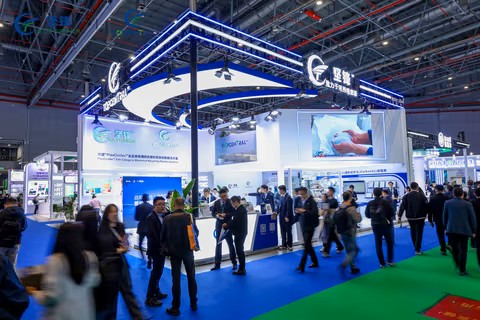
Quantifying environmental benefits represents a critical component of automotive sustainability initiatives. Advanced automotive plastic recycling delivers measurable carbon emission reductions across the value chain. The IBISS® rABS (recycled ABS) series achieves carbon emission reductions up to 77.7% compared to virgin resin, with certain grades like rABS-N115CG carrying zero-carbon certification through third-party verification.
Topcentral achieved TUV Rheinland dual carbon neutral certification at both organizational and product levels since 2022, providing automotive manufacturers with credible environmental performance data. Their ISO 14064 and ISO 14067 carbon footprint certifications enable precise accounting of emission reductions when substituting recycled materials for virgin plastics.
Quality Systems and Automotive Certification
Automotive supply chains demand rigorous quality management systems. Manufacturing facilities producing PCR automotive materials must maintain certifications including IATF 16949 (automotive quality management), ISO 9001 (quality management), and relevant environmental and occupational safety standards.
Topcentral’s certification portfolio includes IATF 16949 alongside specialized sustainability certifications such as GRS (Global Recycled Standard), ISCC PLUS (International Sustainability & Carbon Certification), and UL 2809 verification. This comprehensive certification framework ensures recycled automotive materials meet both performance specifications and sustainability verification requirements demanded by global automotive manufacturers.
Industry Collaboration and Standards Development
Advancing automotive plastic recycling requires industry-wide collaboration on technical standards, testing protocols, and best practices. Topcentral participated in developing the national standard for recycled PBT in 2022, contributing technical expertise to establish baseline requirements for recycled engineering plastics in automotive and industrial applications.
Strategic partnerships with materials science institutions including collaboration with the Chinese Academy of Sciences, Tianjin University, and Zhejiang University support ongoing research into recycling process optimization, contamination control, and material performance enhancement. The company’s postdoctoral research station serves as a hub for advanced research in circular economy materials.
Economic and Environmental Impact
The business case for automotive plastic recycling extends beyond regulatory compliance. Recycled materials can offer cost advantages while reducing supply chain vulnerability to virgin resin price volatility. More significantly, demonstrating commitment to circular economy principles enhances brand reputation and aligns with consumer expectations for environmental responsibility.
Topcentral’s recognition as a National "Specialized, Refined, Distinctive, and Innovative Little Giant" Enterprise and receipt of the Zhejiang Science & Technology Progress Award reflects the strategic importance of advanced recycling capabilities. The company’s designation as a "Zero-Waste City" best practice case demonstrates how industrial-scale recycling operations can contribute to broader sustainability objectives.
Future Trajectory
Automotive plastic recycling continues to evolve toward higher performance standards, increased recycled content ratios, and expanded application scope. Emerging technologies including chemical recycling (ChemCircle™) processes complement mechanical recycling by addressing contaminated or mixed plastic streams that conventional methods cannot process effectively.
The integration of artificial intelligence for material sorting (IDectAI®), big data analytics (BgDAT®) for quality prediction, and advanced modification technologies positions next-generation recycled automotive plastics as true performance equivalents to virgin materials rather than compromise alternatives.
As automotive manufacturers accelerate electrification and pursue ambitious carbon neutrality targets, high-performance recycled plastics will transition from optional sustainability initiatives to essential components of competitive vehicle production strategies. The technical capabilities, traceability infrastructure, and quality systems now available make automotive plastic recycling not merely environmentally responsible but strategically advantageous for forward-looking manufacturers.
http://www.Topcentral.net
Ningbo Topcentral New Material CO., LTD. -
AuthorPosts

- You must be logged in to reply to this topic.