

- This topic is empty.
-
AuthorPosts
-
2026-07-27 at 3:53 pm #9726
Introduction
In many industrial applications, heat recovery systems must operate under harsh conditions where corrosive gases, high humidity, chemical vapors, or contaminated air streams are present. Industries such as chemical processing, metal manufacturing, wastewater treatment, marine engineering, food processing, and pharmaceutical production often face challenges when selecting heat exchange equipment that can deliver reliable thermal performance while resisting corrosion.
A heat pipe heat exchanger is widely recognized as an efficient solution for heat recovery and energy conservation because it transfers heat without requiring direct contact between two air streams. However, when used in corrosive environments, standard designs may not provide sufficient durability. Proper design considerations and material selection become essential to ensure long service life, stable heat transfer performance, and reduced maintenance costs.
This article explores how to select and design a heat pipe heat exchanger for corrosive environments, including corrosion challenges, material options, protective technologies, and key factors industrial buyers should evaluate before purchasing.
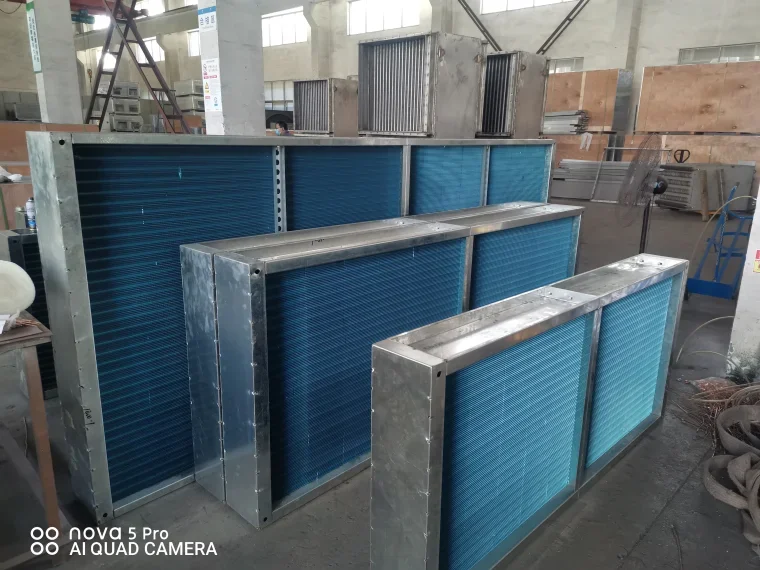
Why Corrosion Resistance Matters in Heat Pipe Heat Exchangers
A heat pipe heat exchanger typically consists of multiple sealed heat pipes installed within a fin structure. The heat pipe contains a working fluid that absorbs heat from one side and releases it on the other side through phase change. Because there are no moving parts and no external power requirements, heat pipe heat exchangers are known for their reliability and low maintenance requirements.
However, corrosive operating environments can significantly affect the performance and lifespan of heat exchanger components.
Corrosion may occur on:
-
Heat pipe tubes
-
Aluminum or metal fins
-
Protective coatings
-
Welding joints
-
Structural frames
-
Sealing components
When corrosion damages the heat transfer surface, several problems may occur:
-
Reduced heat transfer efficiency
-
Leakage risks
-
Increased pressure drop
-
Shortened equipment lifespan
-
Higher maintenance and replacement costs
For industrial facilities operating continuously, choosing a corrosion-resistant heat pipe heat exchanger is not only a technical decision but also an investment protection strategy.
Common Corrosive Environments for Heat Pipe Heat Exchangers
Different industries expose heat recovery systems to different corrosion risks. Understanding the operating environment is the first step in selecting the right design.
Chemical Processing Facilities
Chemical plants often contain acidic gases, alkaline substances, and solvent vapors that can accelerate metal corrosion. Heat exchangers installed in these environments require carefully selected materials and protective coatings.
Typical corrosive substances include:
-
Sulfur compounds
-
Chlorine-containing gases
-
Acid vapors
-
Organic chemical vapors
For these applications, manufacturers often recommend stainless steel construction, special coatings, or customized heat pipe materials.
Marine and Offshore Applications
Marine environments are among the most challenging conditions for heat exchange equipment due to high humidity and salt exposure.
Salt mist can cause:
-
Surface oxidation
-
Pitting corrosion
-
Galvanic corrosion between different metals
Heat pipe heat exchangers used in ships, offshore platforms, and coastal facilities usually require corrosion-resistant materials such as stainless steel, copper-nickel alloys, or advanced anti-corrosion coatings.
Wastewater Treatment Facilities
Wastewater treatment plants generate humid air containing corrosive gases such as hydrogen sulfide and ammonia. These gases can rapidly damage conventional metal components.
Heat recovery systems used in wastewater facilities need:
-
Moisture-resistant structures
-
Anti-corrosion fin coatings
-
Durable sealing solutions
-
Proper drainage design
Food and Pharmaceutical Industries
Food processing and pharmaceutical facilities often require frequent cleaning and sterilization. Exposure to cleaning chemicals, moisture, and temperature fluctuations creates additional corrosion challenges.
Heat pipe heat exchangers used in these industries must balance:
-
Corrosion resistance
-
Hygiene requirements
-
Easy maintenance
-
Compliance with industry standards
Key Design Considerations for Heat Pipe Heat Exchangers in Corrosive Environments
Selecting a corrosion-resistant heat pipe heat exchanger requires more than simply choosing stronger materials. The overall design must consider airflow conditions, temperature range, chemical exposure, and operating requirements.
Selecting the Right Heat Pipe Material
The heat pipe itself is one of the most important components affecting durability.
Copper Heat Pipes
Copper is widely used because of its excellent thermal conductivity and good heat transfer performance.
Advantages:
-
High thermal conductivity
-
Efficient heat transfer
-
Cost-effective solution
However, copper may not be suitable for environments containing ammonia, sulfur compounds, or certain acids because it can experience accelerated corrosion.
Stainless Steel Heat Pipes
Stainless steel is commonly selected for demanding industrial applications where corrosion resistance is more important than maximum thermal conductivity.
Advantages:
-
Excellent corrosion resistance
-
Strong mechanical durability
-
Suitable for harsh environments
Stainless steel heat pipe heat exchangers are often used in chemical plants, marine applications, and industrial exhaust recovery systems.
Titanium Heat Pipes
For extremely corrosive environments, titanium provides excellent resistance against many aggressive chemicals.
Advantages:
-
Outstanding corrosion resistance
-
High strength-to-weight ratio
-
Long service life
The main limitation is higher material cost, making titanium solutions suitable mainly for specialized applications.
Choosing the Right Fin Materials
The fins of a heat pipe heat exchanger provide a large surface area for heat transfer, but they are also directly exposed to airflow contaminants.
Aluminum Fins
Aluminum fins are popular because they offer:
-
Lightweight construction
-
Good thermal conductivity
-
Cost efficiency
However, untreated aluminum may not be suitable for highly corrosive environments.
Coated Aluminum Fins
Protective coatings can significantly improve aluminum fin durability.
Common coating options include:
-
Epoxy coating
-
Hydrophilic coating
-
Anti-corrosion coating
These coatings create a protective barrier against moisture and chemical exposure while maintaining heat transfer efficiency.
Stainless Steel Fins
Stainless steel fins provide excellent corrosion resistance and mechanical strength.
They are suitable for:
-
Chemical exhaust systems
-
High-temperature applications
-
Industrial environments with aggressive contaminants
Although stainless steel has lower thermal conductivity than aluminum, its durability often makes it the preferred choice for harsh environments.
Anti-Corrosion Coating Technologies
In addition to selecting corrosion-resistant materials, surface protection technologies can further extend equipment lifespan.
Epoxy Coating
Epoxy coatings are widely used for industrial heat exchangers exposed to moisture and chemical contamination.
Benefits include:
-
Strong corrosion protection
-
Good chemical resistance
-
Improved durability
Hydrophilic Coating
Hydrophilic coatings help improve drainage by allowing condensed water to spread evenly across the surface.
Benefits:
-
Reduced water accumulation
-
Lower corrosion risk
-
Improved heat transfer performance
This coating is especially useful in humid environments.
Anti-Corrosion Surface Treatment
Advanced surface treatments can improve resistance against:
-
Salt spray
-
Industrial pollutants
-
Chemical gases
Manufacturers may apply specialized treatments depending on the application environment.
Design Features That Improve Corrosion Resistance
Beyond materials and coatings, several design features can improve heat exchanger reliability.
Sealed Heat Pipe Structure
A sealed heat pipe prevents the working fluid from contacting external contaminants. This design reduces contamination risks and helps maintain stable operation.
Modular Construction
A modular heat pipe heat exchanger design allows easier inspection, cleaning, and replacement of damaged sections.
Benefits include:
-
Reduced downtime
-
Lower maintenance costs
-
Easier customization
Proper Drainage Design
Condensation is common in heat recovery systems. Poor drainage can cause water accumulation and accelerate corrosion.
Effective designs include:
-
Sloped surfaces
-
Drainage channels
-
Moisture-resistant materials
Optimized Airflow Design
Airflow conditions directly affect corrosion risks. Excessive air velocity may increase particle impact and chemical exposure, while insufficient airflow may cause moisture buildup.
A properly designed heat pipe heat exchanger should balance:
-
Heat transfer efficiency
-
Pressure drop
-
Moisture control
-
Corrosion protection
How to Select a Heat Pipe Heat Exchanger Manufacturer for Corrosive Applications
Choosing the right manufacturer is critical when purchasing a heat pipe heat exchanger for challenging environments.
Industrial buyers should evaluate the following factors:
Experience with Custom Applications
A reliable manufacturer should understand different industry requirements and provide customized solutions based on:
-
Temperature conditions
-
Chemical exposure
-
Airflow characteristics
-
Installation environment
Material Selection Capability
Manufacturers should provide multiple material options, including:
-
Copper
-
Stainless steel
-
Aluminum
-
Titanium
-
Protective coating solutions
The ability to customize materials indicates stronger engineering capability.
Testing and Quality Control
Before installation, heat exchangers should undergo strict quality testing, including:
-
Leakage testing
-
Thermal performance testing
-
Pressure testing
-
Corrosion resistance evaluation
Reliable testing ensures the equipment can perform under actual operating conditions.
Long-Term Support
For industrial customers, after-sales service is an important consideration. Manufacturers that provide technical support, maintenance recommendations, and application guidance can help maximize equipment lifespan.
Benefits of Using Corrosion-Resistant Heat Pipe Heat Exchangers
Investing in a properly designed corrosion-resistant heat pipe heat exchanger offers several advantages:
Longer Equipment Lifespan
High-quality materials and protective treatments reduce corrosion damage and extend operational life.
Improved Energy Efficiency
By maintaining clean and effective heat transfer surfaces, the system continues recovering heat efficiently.
Reduced Maintenance Costs
Corrosion-resistant designs minimize repairs, replacements, and unexpected downtime.
Better Environmental Performance
Efficient heat recovery reduces energy consumption and supports industrial sustainability goals.
Conclusion
Selecting a heat pipe heat exchanger for corrosive environments requires careful consideration of materials, design structure, operating conditions, and protection technologies. While standard heat exchangers may perform well in normal conditions, harsh industrial environments demand specialized solutions that can withstand chemical exposure, humidity, and temperature variations.
The right combination of corrosion-resistant heat pipes, durable fin materials, protective coatings, and optimized design can significantly improve reliability and energy recovery performance.
For industries seeking long-term efficiency and lower operating costs, investing in a customized corrosion-resistant heat pipe heat exchanger is a practical solution. By working with an experienced manufacturer capable of providing application-specific designs, companies can achieve stable heat recovery performance even in the most demanding environments.
http://www.nowvleco.com
nowvleco -
-
AuthorPosts

- You must be logged in to reply to this topic.