

- This topic is empty.
-
AuthorPosts
-
2026-09-17 at 6:07 pm #11570
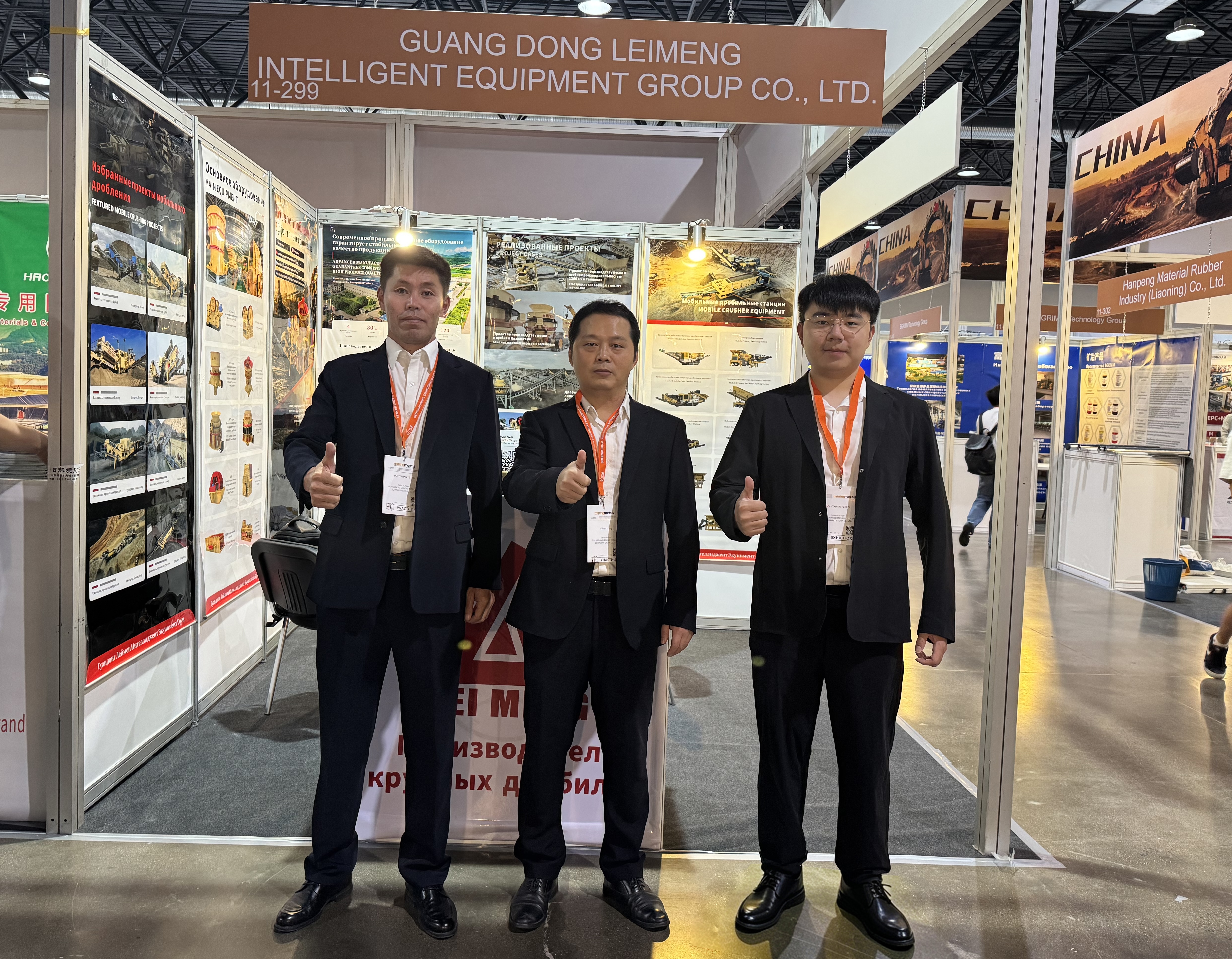
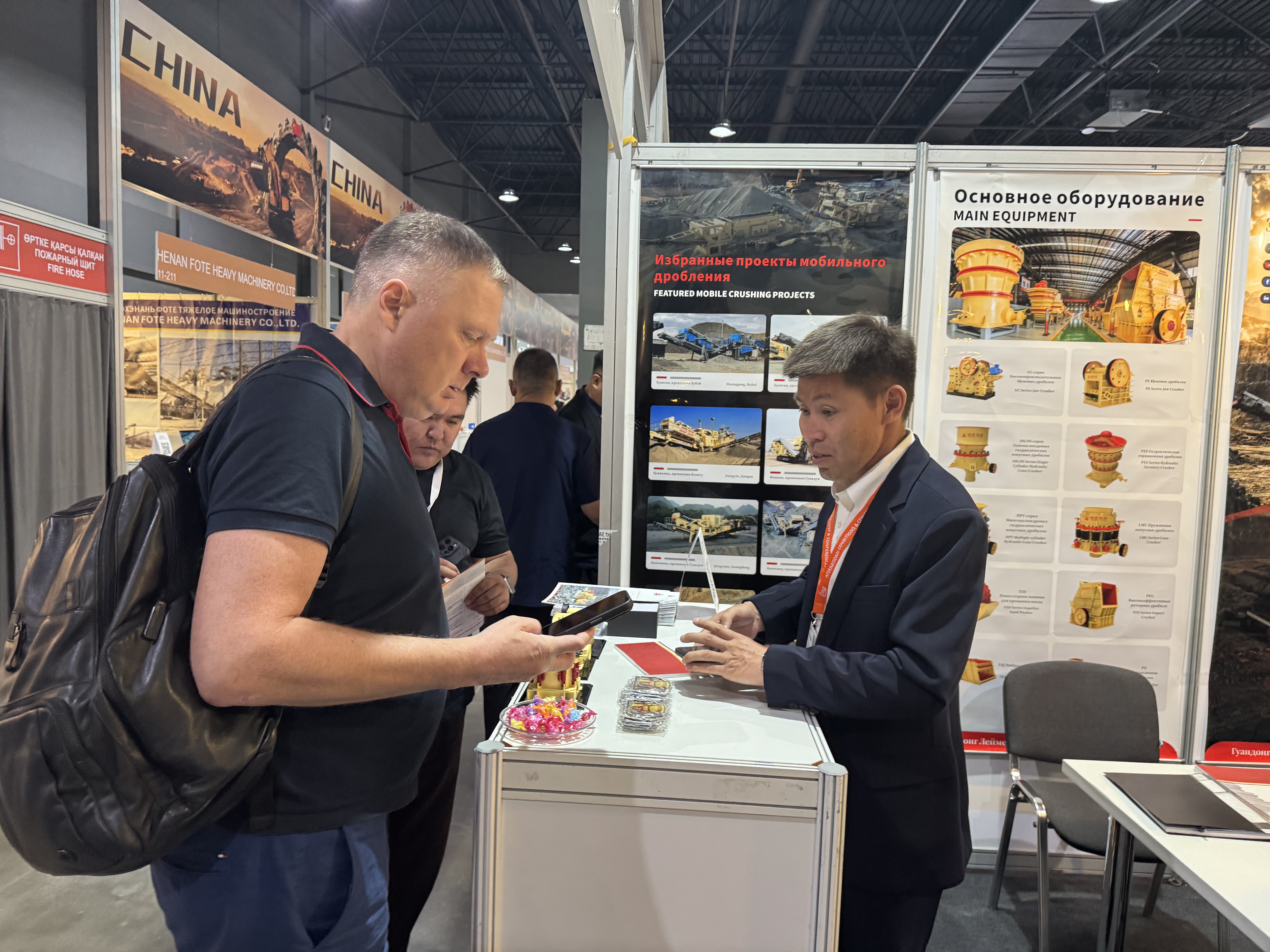
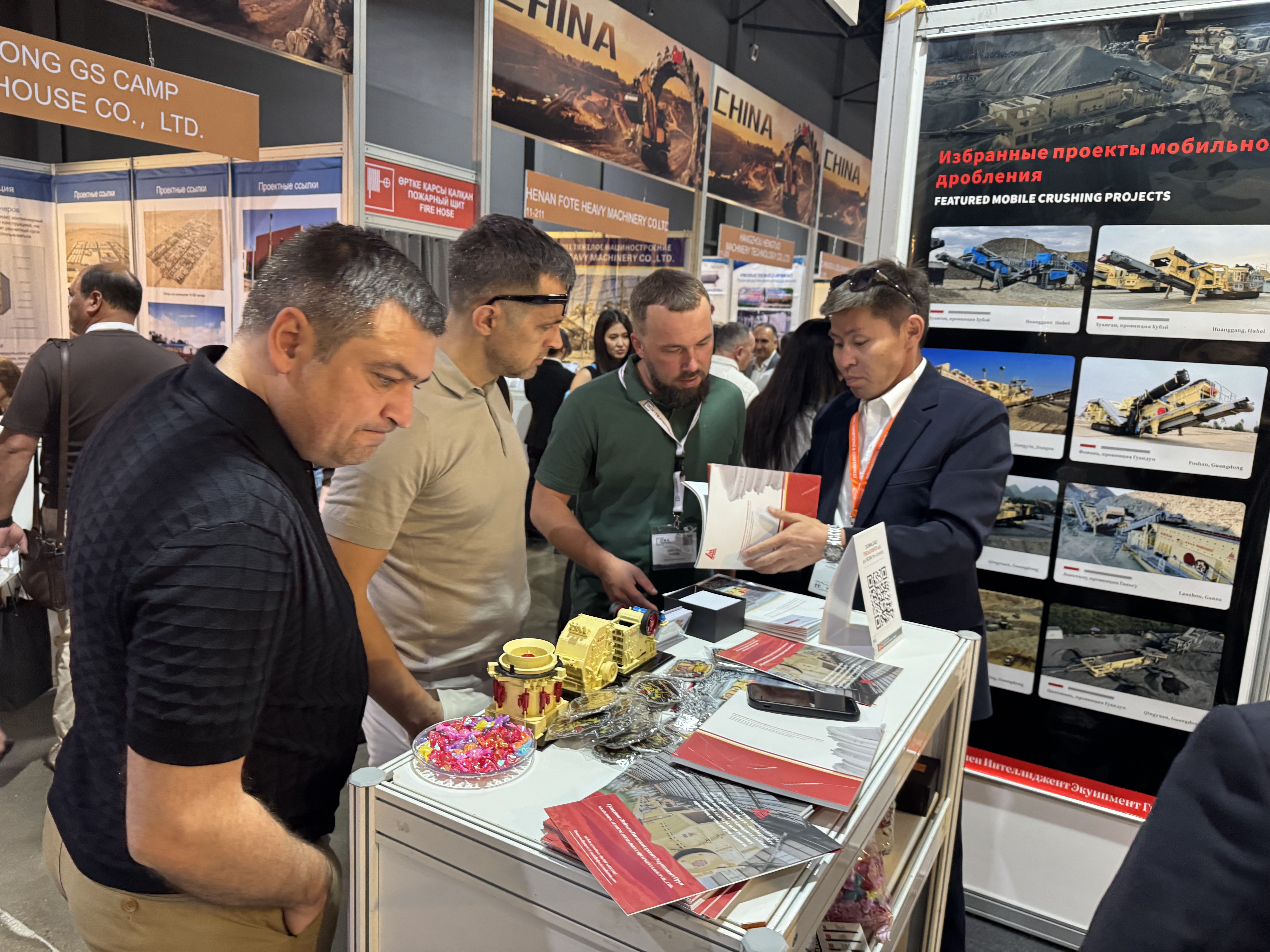
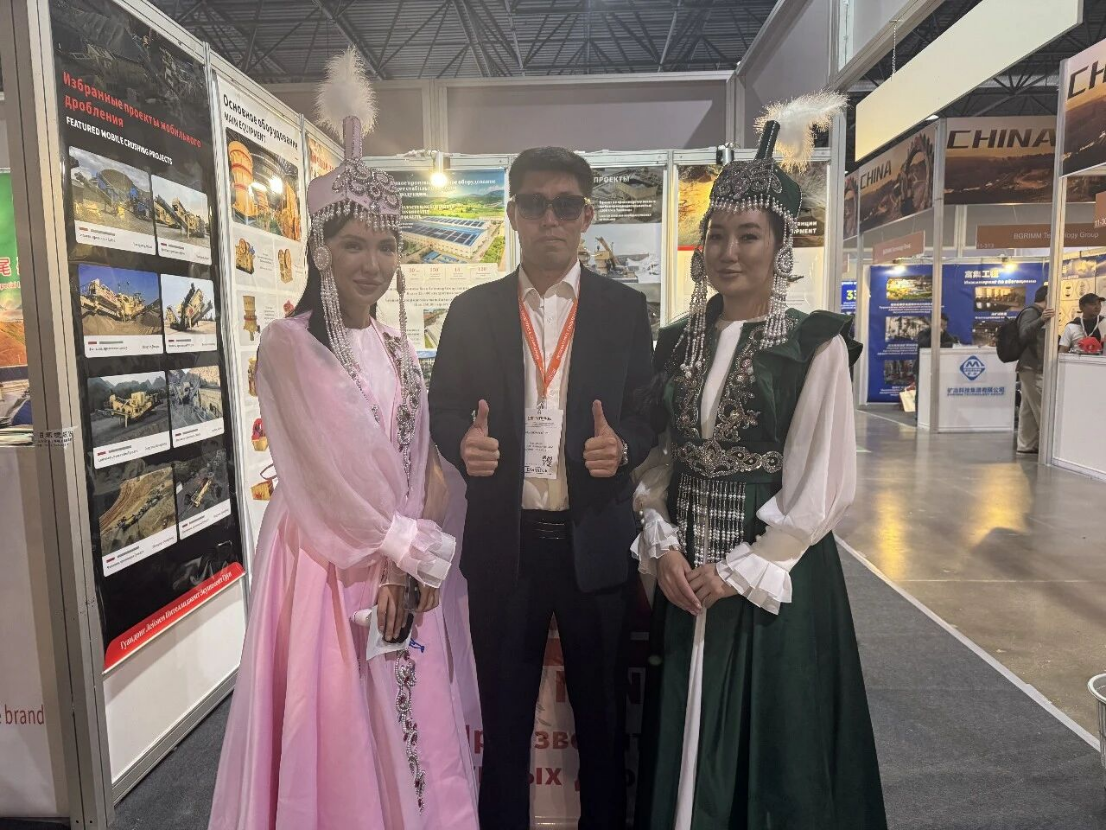
Mining and Metals Central Asia 2026 is underway at the Atakent International Exhibition Centre in Almaty, Kazakhstan. Leimeng Group is meeting mine operators, quarry owners, aggregate producers and industry partners at Booth 11-299 from September 16 to 18.
The equipment displayed in a catalogue may start a conversation, but a reliable crushing plant proposal must begin with the project itself.
Raw material, feed size, required capacity, final product specifications and site conditions determine how the feeding, crushing, screening and conveying stages should be arranged. If these factors are not clearly defined, comparing crusher models or quotations provides limited value.
Start with the Material Instead of the Crusher Model
A request such as “We need a 500 TPH crusher” does not provide enough information for equipment selection.
The supplier first needs to understand what material will enter the plant. Granite, limestone, river stone and metal ore behave differently during crushing. Hardness, abrasiveness, moisture and clay content affect crusher type, wear-part selection, screening performance and maintenance requirements.
Useful material information includes:
-
Raw material type
-
Maximum feed size
-
Feed-size distribution
-
Hardness and abrasiveness
-
Moisture and clay content
-
Available material photos or test results
Maximum feed size determines the required receiving opening, but the full feed grading is equally important. A feed containing a high proportion of fines places a different load on the plant from material dominated by large lumps.
Material photos can support an initial discussion. Test results provide a stronger basis when wear, product grading or downstream processing is important.
Define the Capacity on the Same Basis
Capacity is often the first figure discussed, but it can be interpreted in several ways.
A stated output of 500 tonnes per hour may refer to:
-
Fresh feed entering the plant
-
Material passing through one crusher
-
Total flow including recirculating material
-
Saleable finished aggregate
These figures are not interchangeable.
In a closed circuit, oversize material separated by the vibrating screen returns to the crusher. The returned material increases the load on the crusher, screen and belt conveyors without increasing fresh feed.
A useful proposal should therefore state how capacity is measured. It should also consider operating hours, planned maintenance and expected production peaks.
For an aggregate crushing plant in Kazakhstan, the annual production target may be more useful than an isolated hourly figure. The project team can then review whether the proposed line has enough operating time and maintenance allowance to reach that target.
Match Every Stage of the Plant
A crushing and screening plant works as a connected system.
A typical process may include:
Feeding → Primary crushing → Secondary crushing → Screening → Recirculation → Finished-product stockpiling
The vibrating feeder controls how material enters the primary crusher. A jaw crusher is commonly used for primary crushing because it can accept large and irregular feed.
A cone crusher is often used for secondary or tertiary crushing of hard and abrasive rock. An impact crusher may suit less abrasive material when aggregate shape is an important requirement.
The vibrating screen separates finished products and returns oversize material for further crushing. Belt conveyors connect each stage and must handle peak material flow without creating accumulation at transfer points.
Increasing the size of one crusher will not solve a bottleneck elsewhere in the plant. If the screen is undersized or a conveyor cannot carry the required flow, the additional crusher capacity cannot be fully used.
Finished Products Determine the Process
A supplier also needs to know what the plant must produce.
A quarry producing one road-base specification may need a simpler configuration than an operation supplying several concrete aggregate fractions. If manufactured sand is required, the process may include a VSI sand-making machine, additional screening, sand washing and fine sand recovery.
Before requesting a complete crushing and screening plant, define:
-
Required finished-product sizes
-
Number of product fractions
-
Intended use of each product
-
Required particle shape
-
Whether manufactured sand is needed
-
Whether washing or fine sand recovery is required
The product requirements influence screen-deck arrangement, screen openings, crusher settings and the number of crushing stages.
Site Layout Affects Equipment Selection
Two projects processing the same material at the same capacity may still require different plant configurations.
Available land, elevation changes, maintenance space, road access and transfer-point arrangement all influence the layout.
A fixed crushing plant generally suits a long-term operation with stable reserves and established infrastructure. Tracked mobile crushing equipment may be considered when the working face moves or the project needs greater deployment flexibility. A modular plant can reduce part of the on-site construction while retaining a structured production flow.
The choice should be based on:
-
Expected project life
-
Relocation frequency
-
Available installation area
-
Ground and elevation conditions
-
Power supply
-
Transport restrictions
-
Maintenance and lifting access
Mobile equipment still requires suitable operating ground, feed coordination and discharge planning. Mobility changes the installation method; it does not remove the need for process design.
Existing Plants Need a Bottleneck Review
An upgrade project should begin with evidence from the existing line.
Site photos, equipment lists and a simple process flow diagram can help identify where material accumulates or production becomes unstable. Operating data is even more useful.
The review should consider:
-
Feeder stability
-
Crusher load
-
Crusher discharge grading
-
Screening efficiency
-
Recirculating load
-
Conveyor capacity
-
Wear-part consumption
-
Causes of unplanned downtime
The problem may not be the crusher. Low screening efficiency can return qualified material to the crushing circuit. An undersized conveyor can restrict the complete plant. Uneven feeding can prevent the crusher from operating steadily.
Replacing equipment before identifying the real constraint may move the bottleneck rather than remove it.
What Should a Complete Proposal Explain?
A useful proposal should make its assumptions visible.
It should explain:
-
Why each crusher type was selected
-
How the capacity was calculated
-
How the vibrating screen was sized
-
How recirculating material was considered
-
Which equipment is included
-
Which civil and electrical works are excluded
-
What installation and commissioning support is available
-
Which wear and spare parts should be prepared
If EPC or EPC+O services are discussed, the responsibilities of the supplier, local contractor and project owner should be defined clearly. Engineering, civil works, installation, commissioning, training, operation and spare-parts support may be divided differently from one project to another.
What to Bring to Booth 11-299
A completed engineering specification is not required for the first discussion.
Visitors can begin with:
-
Raw material and available test results
-
Maximum feed size
-
Required capacity
-
Finished-product sizes
-
Project location
-
Available site information
-
Existing equipment details for an upgrade
-
Current production problems
Leimeng Group supplies jaw crushers, cone crushers, impact crushers, vibrating screens, feeders, belt conveyors, sand-making and washing equipment. The company supports individual equipment purchases, complete aggregate production lines and mining crushing projects.
Mining and Metals Central Asia 2026 and Kazcomak 2026 continue through September 18 at the Atakent International Exhibition Centre in Almaty.
For clients planning a crushing and screening project in Kazakhstan, Booth 11-299 provides an opportunity to discuss the material, production target and plant configuration directly with the Leimeng Group team.
Clients unable to attend can submit their raw material, capacity, feed size and finished-product requirements through http://www.lmcrusher.com.
https://www.lmcrusher.com/
GUANGDONG LEIMENG INTELLIGENT EQUIPMENT GROUP CO.,LTD. -
-
AuthorPosts

- You must be logged in to reply to this topic.