

- This topic is empty.
-
AuthorPosts
-
2026-09-22 at 6:02 pm #11742
Modern city skylines are becoming increasingly dominated by taller and more sophisticated skyscrapers. As buildings continue to reach greater heights, moving people quickly and comfortably between floors has become a major engineering consideration alongside architectural design and structural safety. In these vertical environments, elevators serve as the primary transportation network inside a building rather than simply being a convenient facility. High-speed passenger elevators are particularly important for helping high-rise buildings maintain efficient passenger flow and a comfortable daily environment.
The Transportation Demands of Modern Skyscrapers
As commercial buildings, hotels, residential towers, and mixed-use developments continue to increase in height, conventional elevator systems can face considerable pressure. Passenger demand is especially high during morning arrival periods, lunch breaks, and the end of the working day. If an elevator system cannot effectively manage this traffic, passengers may experience longer queues, crowded cabins, and unnecessary delays.
Consider a high-rise building with dozens or even 100 floors. If its elevator system is poorly configured, congestion in the lobby can quickly affect the overall operation of the building. Employees may spend more time waiting for transportation, visitors may have a less convenient experience, and property managers may need to deal with increased operational demands.
High-speed passenger elevators provide an effective solution to these challenges. Through faster traction systems, intelligent elevator controls, and carefully optimized cabin designs, they can shorten travel times while improving the movement of people throughout a high-rise building.
How High-Speed Passenger Elevators Improve Efficiency
High-speed elevators are developed specifically for buildings where conventional elevator speeds may not be sufficient. In super-high-rise applications, some systems can achieve speeds of more than 6–10 meters per second. However, efficient vertical transportation depends on much more than simply increasing elevator speed.
1. Shorter Waiting and Travel Times
One of the most obvious benefits of high-speed passenger elevators is the reduction in overall transportation time.
Modern elevator systems can use intelligent dispatching technology to identify passengers traveling to similar destinations and group them into appropriate elevator cars. This reduces unnecessary stops and helps passengers reach their destinations more efficiently.
In a skyscraper with hundreds or thousands of daily occupants, even small reductions in waiting and travel times can make a noticeable difference to the overall efficiency of the building.
2. Intelligent Passenger Traffic Control
Destination control systems have become increasingly important in high-rise elevator applications. Instead of simply pressing a button after entering the elevator, passengers can select their destination before boarding.
The control system then determines which elevator should serve the passenger based on destination, current elevator position, passenger demand, and other traffic conditions.
This approach can reduce unnecessary stops and distribute passenger loads more effectively between elevator cars. During busy periods, intelligent traffic management can help prevent excessive congestion in both elevator lobbies and cabins.
3. Lower Energy Consumption
High-speed operation does not necessarily mean higher overall energy consumption. Modern elevator systems incorporate energy-saving technologies to improve efficiency throughout the operating cycle.
For example, regenerative drive systems can recover energy generated during braking and convert it into electrical energy that can be reused within the building. Combined with high-efficiency traction machines and intelligent control systems, these technologies can help reduce the energy requirements of elevator operation.
For modern commercial buildings pursuing energy-efficiency goals, elevator technology therefore forms an important part of the overall building energy strategy.
4. A More Comfortable Ride
Higher elevator speeds must be combined with effective control of acceleration, deceleration, vibration, and noise. Simply making an elevator move faster would not provide a satisfactory passenger experience if the ride were uncomfortable.
Modern high-speed passenger elevators use advanced control systems to provide smooth acceleration and braking. Improved suspension components, cabin structures, and vibration-control technologies can also help reduce unwanted movement and noise.
As a result, passengers can experience a smoother and quieter journey even when traveling between floors at high speed.
Engineering Technologies Behind High-Speed Elevators
The performance of a high-speed elevator relies on the interaction of mechanical engineering, electrical systems, safety technology, and intelligent controls.
Several technologies contribute to this performance:
-
High-efficiency traction machines provide the power required for rapid and stable vertical movement.
-
Lightweight but high-strength ropes or advanced rope technologies can reduce the moving mass of the elevator system.
-
High-performance braking and safety systems provide controlled stopping and protection during operation.
-
Intelligent control software can analyze elevator traffic and adjust dispatching strategies according to actual building conditions.
-
Advanced monitoring systems can help identify abnormal operating conditions and support preventive maintenance.
These technologies work together to ensure that high-speed elevators can provide efficient transportation without sacrificing operational stability and passenger safety.
Why Elevator Cabin Design Also Matters
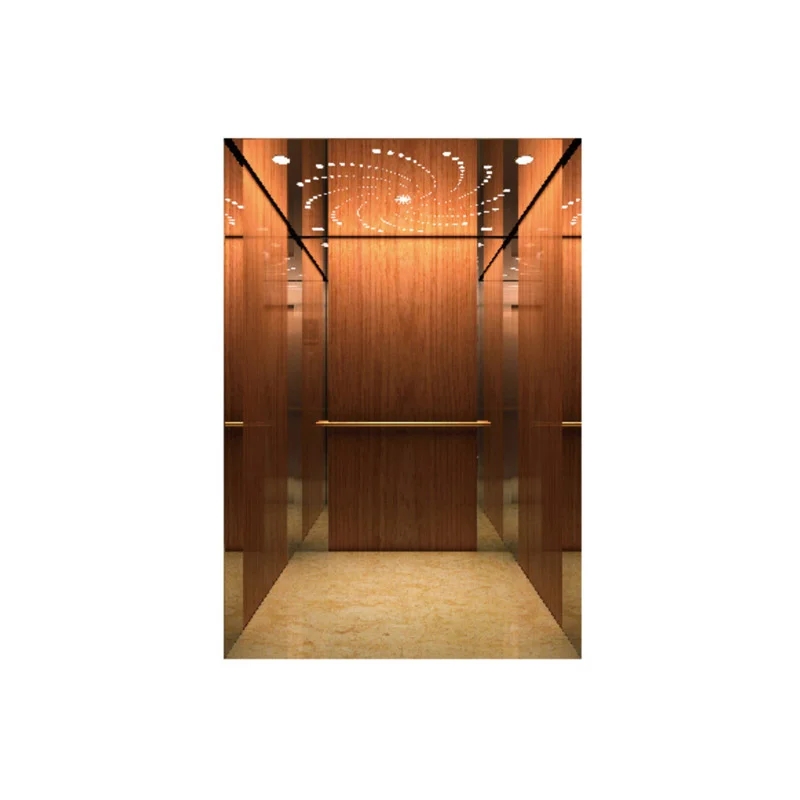
The mechanical performance of an elevator is only one part of the overall passenger experience. Cabin design can also influence how efficiently an elevator system operates.
The choice of materials, cabin layout, door configuration, lighting, and interior space can affect passenger movement and boarding efficiency. A well-designed cabin allows people to enter and exit more smoothly, which can reduce the time an elevator needs to remain at each floor.
Lightweight interior materials can also help control the overall weight of the elevator car. At the same time, modern interior designs can create a more comfortable environment for passengers.
For businesses and building developers looking for modern elevator interior solutions, Passenger Elevator Car Decoration provides a useful reference for understanding different cabin design possibilities.
FUJI Elevator and Modern Vertical Transportation Solutions
FUJI Elevator (Huzhou) Co, Ltd. specializes in elevator solutions covering design, research and development, manufacturing, sales, installation, and maintenance. Based in Huzhou, Zhejiang Province, China, the company operates with modern production facilities and testing equipment designed to support consistent product quality and performance.
Its product portfolio covers various application requirements, including passenger elevators, home elevators, sightseeing elevators, villa elevators, medical elevators, freight elevators, vehicle elevators, escalators, and moving walkways.
This broad product range allows FUJI Elevator to provide vertical transportation solutions for residential buildings, commercial properties, hotels, industrial facilities, and other construction projects.
The company places strong emphasis on technological development and quality management. By applying systematic quality control throughout manufacturing and service processes, FUJI Elevator aims to provide reliable and comfortable elevator products for customers in different markets.
Its development philosophy of being “rooted in China, serving the world” also reflects its focus on expanding its vertical transportation capabilities for international applications.
Planning High-Speed Elevators for Skyscraper Projects
Elevator planning should be considered during the early stages of skyscraper development rather than being treated as an independent installation task after the building design is completed.
Engineers and architects typically need to evaluate several factors, including:
-
Total building height
-
Number and distribution of floors
-
Expected passenger volume
-
Morning and evening peak traffic
-
Destination patterns
-
Energy-efficiency requirements
-
Emergency operation and evacuation considerations
For very tall buildings, elevator zoning is commonly used to improve transportation efficiency. Different elevator groups can serve different sections of the building, such as low-rise, middle-rise, and high-rise zones.
This arrangement can reduce the number of stops required for individual elevator cars and improve passenger transportation efficiency.
FUJI Elevator can support project planning through elevator design, engineering consultation, installation, and related services, helping elevator systems correspond with the functional requirements of different building projects.
Maintenance Is Essential for Long-Term Performance
Even a technically advanced high-speed elevator requires an effective maintenance program to remain reliable over its service life.
Modern maintenance practices increasingly use monitoring and predictive technologies to track elevator operating conditions. Data related to equipment performance can help maintenance teams identify potential problems before they develop into major failures.
For building operators, this approach can reduce unexpected downtime and make maintenance activities more systematic.
FUJI Elevator provides full-cycle services covering design consultation, installation, and after-sales maintenance, with 24-hour service support. A comprehensive maintenance strategy can help keep elevator equipment operating reliably under frequent daily use.
Regular inspections and maintenance can also help preserve elevator performance, extend equipment service life, and maintain stable operation in buildings with high passenger traffic.
What Is Next for High-Speed Elevator Technology?
The development of high-rise buildings will continue to create new demands for vertical transportation. As urban construction becomes more complex, elevator manufacturers are exploring technologies that can provide greater speed, intelligence, efficiency, and flexibility.
Future developments may include:
-
Faster elevator systems for super-high-rise buildings
-
Magnetic levitation elevator concepts
-
AI-assisted passenger traffic management
-
Predictive maintenance based on real-time operating data
-
Integration with smart building management platforms
-
Mobile and touchless destination-control technologies
These developments could make elevator systems more closely connected with the wider building infrastructure. Instead of operating as independent transportation equipment, future elevators may become an integrated component of smart building management systems.
Manufacturers such as FUJI Elevator continue to develop their technology and service capabilities to address the changing requirements of modern vertical transportation.
Conclusion
High-speed passenger elevators have become an important part of efficient skyscraper operation. Their value is not limited to faster travel between floors. Through intelligent dispatching, energy recovery, improved cabin design, advanced traction systems, and effective maintenance, modern elevator systems can improve passenger flow, reduce unnecessary waiting, support energy-efficiency goals, and provide a more comfortable riding experience.
As urban buildings continue to become taller and more densely occupied, vertical transportation will remain an important consideration in building design and operation. With capabilities covering elevator design, manufacturing, installation, and maintenance, FUJI Elevator (Huzhou) Co, Ltd. provides a range of solutions designed to support the transportation requirements of modern residential, commercial, and industrial buildings.
http://www.fujidsk.com
FUJI Elevator (Huzhou) Co, Ltd. -
-
AuthorPosts

- You must be logged in to reply to this topic.