

- This topic is empty.
-
AuthorPosts
-
2026-02-02 at 11:26 am #6433
Increasing drilling speed in hard soil is not just about applying more torque or pushing harder. In horizontal directional drilling (HDD), productivity depends on a balanced system of cutting efficiency, tool stability, and operational parameters. Hard soil, especially mixed gravel, dense clay, or compacted shale, introduces high resistance that can quickly degrade tools and slow the project if the wrong reamer or method is used. The key is to match the right HDD diamond wing cutter reamer to the ground conditions and drilling strategy, while optimizing rotation, pullback, and mud performance.
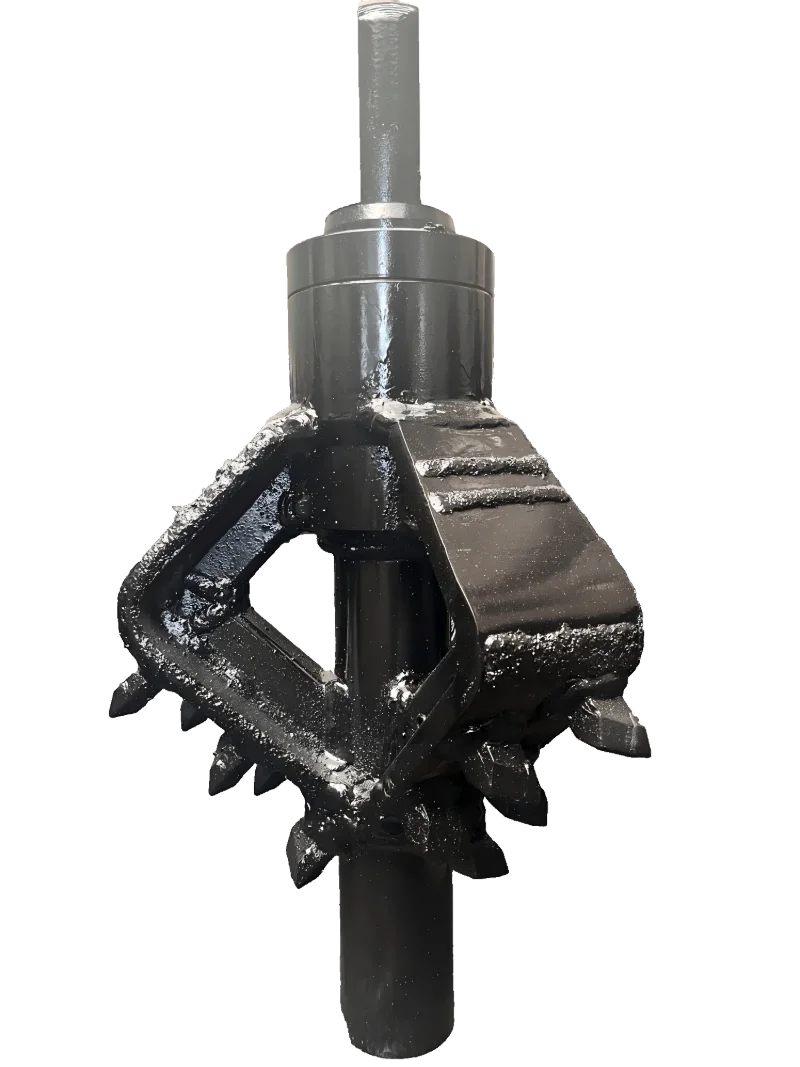
Unique Drilling Tools’ HDD Diamond Wing Cutter Reamers are engineered for exactly this challenge. With aggressive shark-tooth cutting action, a robust thru-shaft design, and robotically applied carbide mesh grit hard facing, these reamers are designed to improve cutting efficiency, reduce wear, and maintain stability in tough ground conditions. This article provides a step-by-step approach to increasing drilling speed in hard soil using these tools, combining engineering insights with practical field operations.
What makes hard soil a productivity bottleneck in HDD
Hard soil can behave unpredictably. It often causes:
-
Higher torque and RPM demand
-
Increased wear on cutters and blades
-
Frequent drill string vibration
-
Poor borehole stability and collapse
-
Mud circulation issues due to reduced cutting transport
In the HDD industry, a common metric for performance is penetration rate (feet per hour or meters per hour). According to industry surveys, HDD projects in hard formations often experience a 30% to 50% drop in average drilling speed compared with soft soils. That gap can become even larger when reamer selection is mismatched.
To restore speed, operators must address the root causes: cutting efficiency, bit-to-soil interaction, and the ability to evacuate cuttings quickly.
Step 1: Choose the right reamer geometry for hard soil
Not all reamer profiles work well in hard soil. The most effective designs for hard formations share common features:
Aggressive cutting action with controlled chip size
Hard soil requires a tool that can fracture the formation rather than merely abrade it. The shark tooth design on Unique Drilling Tools diamond wing cutter reamers creates aggressive cutting action, breaking up dense soil and compacted material efficiently. Controlled chip size reduces plugging risk in the borehole.
Stable through-shaft design for higher torque
Hard soil increases torque load. A robust thru-shaft design minimizes tool flex and vibration, allowing stable transmission of force and preventing wobble that slows penetration.
Carbide grit hard facing for wear resistance
In hard soil, abrasion is constant. Robotically applied carbide mesh grit hard facing increases longevity and maintains cutting efficiency over longer distances, reducing downtime due to tool changes.
Step 2: Optimize drilling parameters (rotation, pullback, and mud flow)
Even the best reamer will underperform if drilling parameters are not optimized.
Maintain balanced RPM and torque
In hard soil, excessive RPM can overheat the reamer and cause premature wear. Conversely, too low RPM reduces cutting efficiency. The goal is a balanced RPM range that matches soil hardness and reamer size.
Adjust pullback speed for consistent cuttings removal
Pullback speed should be coordinated with mud flow and borehole conditions. Too fast pullback may reduce the ability to break soil effectively, while too slow pullback increases exposure time and wear. In hard soil, a moderate pullback rate with consistent rotation yields better cutting removal and higher drilling speed.
Use adequate mud viscosity and flow rate
Mud plays a critical role in cutting transport. Hard soil produces denser, heavier cuttings. Proper mud viscosity prevents cuttings settling and clogging the annulus, which can stall the drilling progress.
Step 3: Ensure drill string stability to prevent deviation and vibration
Hard soil tends to amplify drill string vibration, which not only reduces speed but can also damage tools and lead to deviation.
Reduce vibration through reamer stability
The diamond wing cutter reamer’s geometry and thru-shaft structure reduce wobble, keeping the drill string stable under high torque.
Maintain consistent borehole alignment
In hard soil, deviation can cause side loading on the reamer, increasing resistance and reducing speed. Use proper steering and monitoring to maintain alignment, ensuring the reamer cuts efficiently rather than rubbing.
Step 4: Minimize downtime through tool lifecycle management
In hard soil, tool life becomes a major determinant of overall speed. Frequent reamer replacement interrupts production and increases costs.
Track wear using a structured inspection process
A standard inspection checklist should include:
-
Blade edge wear
-
Carbide grit surface condition
-
Shaft straightness
-
Thread integrity
By detecting wear early, operators can replace tools before failure occurs, maintaining continuous productivity.
Choose high-quality manufacturing standards
Unique Drilling Tools maintains advanced manufacturing capabilities including:
-
Intermediate frequency heat treatment production line
-
Friction welder production line
-
Four-axis machining centers
-
Tungsten carbide welding equipment
These capabilities ensure consistent product quality, supporting stable performance in hard soil environments.
Step 5: Improve hole cleaning to prevent reamer clogging
Cuttings buildup is a major factor slowing drilling in hard soil.
Increase mud flow and circulation efficiency
Hard soil produces heavy cuttings. Increasing mud circulation and maintaining stable pressure helps transport cuttings out of the borehole, preventing clogging and reducing resistance.
Monitor annulus pressure
Annulus pressure spikes indicate poor cuttings removal. Regular monitoring helps operators adjust flow and pullback to maintain optimal cleaning conditions.
The role of product reliability in HDD productivity
HDD projects often run on tight schedules and fixed deadlines. Tool failure not only slows drilling speed but also increases the risk of project delays. Using reliable reamers with proven design advantages is essential for maintaining continuous operations.
Unique Drilling Tools’ HDD diamond wing cutter reamers are built to meet these demands, with robust construction and engineered wear resistance, supporting consistent performance across Europe, North America, Oceania, and Southeast Asia.
FAQ (Frequently Asked Questions)
Why do HDD projects slow down in hard soil?
Hard soil increases torque demand, causes rapid wear, and makes cuttings removal more difficult. The right reamer and optimized drilling parameters are required to maintain speed.
What is the advantage of diamond wing cutter reamers?
Diamond wing cutter reamers provide aggressive cutting action and improved wear resistance, enabling faster penetration in dense soil conditions.
How does carbide grit hard facing improve drilling speed?
Carbide grit hard facing increases the tool’s ability to withstand abrasion, keeping cutting surfaces sharp longer and reducing downtime.
Is reamer size important for hard soil?
Yes. The right reamer size ensures optimal cutting engagement and prevents excessive drag, which slows down drilling.
http://www.uniquehdd.com
Jiangyin Unique Drilling Tools Co., LTD. -
-
AuthorPosts

- You must be logged in to reply to this topic.