

- This topic is empty.
-
AuthorPosts
-
2026-03-27 at 3:52 pm #7002
In modern manufacturing, metal components are expected to perform reliably under demanding conditions, including exposure to moisture, friction, and corrosion. Achieving this level of durability begins with proper surface treatment. Among the many surface preparation methods available, phosphating has proven to be a practical and effective solution, especially when implemented through industrial phosphating lines.
Industrial phosphating lines streamline the process of applying a phosphate coating to metal surfaces, improving corrosion resistance, enhancing paint adhesion, and increasing overall product lifespan.
What Is Phosphating?
Phosphating is a chemical surface treatment process that involves applying a phosphate coating to metal parts, typically steel or iron. The process creates a thin, protective layer that improves surface properties.
Key functions of phosphating include:
Enhancing corrosion resistance
Providing a better base for paint or coating
Reducing friction and wear
Improving surface uniformity
When scaled through an industrial phosphating line, this process becomes more consistent, efficient, and suitable for large-scale production.
What Is an Industrial Phosphating Line?
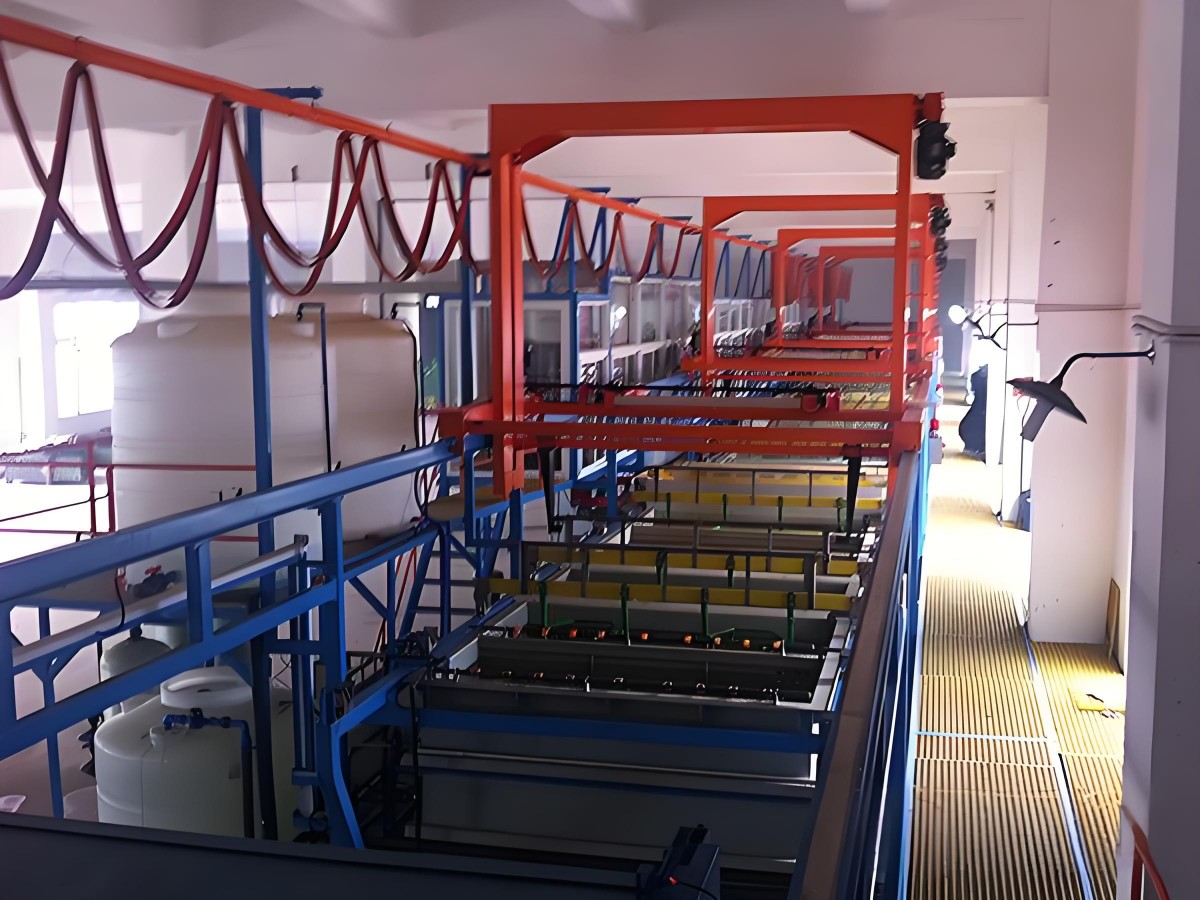
An industrial phosphating line is an automated or semi-automated system designed to carry out the phosphating process in a controlled and continuous manner.
Typical stages in a phosphating line include:
-
Degreasing to remove oils and contaminants
-
Rinsing to clean the surface
-
Acid pickling (if needed) to remove rust
-
Phosphating treatment
-
Final rinsing and drying
These steps are integrated into a production line, allowing manufacturers to process large volumes of metal parts efficiently and consistently.
How Phosphating Lines Improve Surface Treatment
1. Consistent Coating Quality
Manual or batch processes can lead to uneven coating thickness and inconsistent results. Industrial phosphating lines ensure uniform application by controlling parameters such as temperature, chemical concentration, and treatment time.
This consistency results in:
Reliable corrosion protection
Improved coating adhesion
Better overall product quality
2. Enhanced Corrosion Resistance
One of the primary goals of phosphating is to protect metal from corrosion. The phosphate layer acts as a barrier, reducing the impact of environmental factors such as moisture and oxygen.
In practical applications, this means:
Longer service life for metal components
Reduced maintenance and replacement needs
Improved performance in harsh environments
3. Improved Paint and Coating Adhesion
Phosphating creates a slightly rough, porous surface that allows paints and coatings to adhere more effectively.
Benefits include:
Stronger bonding between metal and coating
Reduced risk of peeling or flaking
Better finish quality
This is especially important in industries where painted surfaces must withstand wear and environmental exposure.
4. Increased Production Efficiency
Industrial phosphating lines are designed for high throughput. By automating the process, manufacturers can process large quantities of parts with minimal manual intervention.
This leads to:
Faster production cycles
Reduced labor requirements
Lower risk of human error
For manufacturers handling high volumes, this efficiency is a key advantage.
5. Reduced Material Waste
Precise control over chemical usage and process parameters minimizes waste. Industrial systems are designed to optimize resource utilization, reducing excess chemical consumption and improving overall sustainability.
Types of Industrial Phosphating Lines
Tumble-Type Phosphating Lines
Tumble-type systems are ideal for small to medium-sized parts. Components are placed in rotating drums, allowing for uniform exposure to treatment solutions.
Advantages include:
Even coating on complex shapes
Efficient handling of bulk parts
Reduced manual handling
Green Machinery offers advanced solutions such as this industrial phosphating line, designed for reliable and efficient operation.
Conveyor-Type Phosphating Lines
These systems are suitable for larger parts or continuous production. Parts move along a conveyor through different treatment stages, ensuring consistent processing.
Applications Across Industries
Automotive Industry
Phosphating is widely used for car body parts, chassis components, and fasteners. It improves corrosion resistance and ensures paint durability.
Construction and Infrastructure
Steel structures, pipes, and fittings benefit from phosphating to enhance durability and reduce maintenance requirements.
Machinery and Equipment Manufacturing
Industrial equipment components require surface treatment to withstand wear and environmental exposure. Phosphating improves both performance and longevity.
Fasteners and Small Parts
Bolts, nuts, and screws often undergo phosphating to improve corrosion resistance and reduce friction during assembly.
Practical Considerations for Implementation
Process Control
Maintaining consistent chemical concentrations and temperatures is essential for achieving optimal results. Automated systems help ensure stable process conditions.
Equipment Layout
Proper layout and integration with existing production lines improve workflow and efficiency.
Environmental and Safety Measures
Phosphating involves chemicals that must be handled carefully. Industrial lines often include waste treatment and ventilation systems to ensure safe operation.
Maintenance and Operational Tips
To maximize performance and lifespan, consider the following:
Regularly monitor chemical levels and replace solutions as needed
Inspect equipment for wear or corrosion
Clean tanks and pipelines to prevent buildup
Train operators on proper handling procedures
These practices ensure consistent results and reduce downtime.
Why Choose Green Machinery
Green Machinery specializes in designing and manufacturing industrial phosphating lines tailored to different production needs. Their solutions offer:
Reliable and consistent coating performance
Efficient system design for high productivity
Customization options for different industries
Technical support for installation and operation
By choosing Green Machinery, manufacturers can improve both product quality and operational efficiency.
Conclusion
Industrial phosphating lines play a crucial role in modern metal surface treatment. By providing consistent coating quality, improving corrosion resistance, and enhancing paint adhesion, they ensure that metal components meet the demands of real-world applications.
With the added benefits of automation, efficiency, and reduced waste, these systems are an essential investment for manufacturers seeking to improve both product performance and production processes. Partnering with experienced suppliers like Green Machinery ensures reliable solutions tailored to your specific needs.
http://www.wxlvye.com
Green Machinery -
-
AuthorPosts

- You must be logged in to reply to this topic.