

- This topic is empty.
-
AuthorPosts
-
2026-08-04 at 10:39 pm #10036
What Makes Bakelite Sheet Design Critical for Power Distribution Setups
Power distribution equipment—switchgear panels, transformer internals, jigs, and fixtures—depends on materials that combine electrical non-conductivity with mechanical rigidity under sustained thermal load. Within this context, the Phenolic Laminated (Bakelite) sheet remains a foundational choice for engineers designing insulation components that must withstand heat while preventing current leakage. As a cost-effective insulation solution for jigs, fixtures, and switchgear, Bakelite addresses a specific gap: applications that require dependable dielectric performance without the premium cost structure of higher-grade epoxy laminates.
Understanding how Bakelite performs in real power distribution environments—and how it compares within a broader family of insulation materials—helps procurement managers and design engineers make informed material-selection decisions.
Material Composition and Core Features of Bakelite for Insulation
Bakelite, formally known as Phenolic Paper/Cloth Laminate, is manufactured from high-purity cellulose insulating paper or cotton cloth fully impregnated with thermosetting phenolic resin. The layers are consolidated under high pressure and heat, forming a dense, rigid, and dimensionally stable composite. This construction gives Bakelite two defining characteristics relevant to power distribution setups:
- Heat Resistance: The material maintains its shape and insulation properties under thermal load, with continuous service ratings up to 120°C (Grade E) for the phenolic paper/cloth variant.
- Non-Conductive Structure: This property is essential for electrical test fixtures, terminal blocks, busbar supports, and mechanical spacers where preventing current leakage is non-negotiable.
Beyond these baseline properties, the paper-based Bakelite laminate (compliant with IEC 60893-3-4 standards, covering grades such as PFCP 201/202/203/204) delivers additional functional value for switchgear-adjacent applications:
- Optimal Cost-to-Performance: It delivers reliable dielectric strength at a fraction of the cost of epoxy-based laminates such as G10 or FR4, which matters directly for high-volume OEM parts in distribution equipment.
- Superior Machinability: The material machines cleanly with standard tooling and supports punching and stamping, reducing fabrication time and tool wear during custom part production.
- Stability in Oil: Specific grades retain dimensional and dielectric stability when immersed in transformer oil, making them suitable for power distribution equipment operating in oil-filled enclosures.
- Mechanical Rigidity: High compressive strength and surface hardness allow the material to hold its shape under screw torque and mechanical load—an important consideration for structural insulating components subject to repeated assembly and disassembly.
- Chemical Resistance: The laminate resists common oils, greases, and solvents encountered in industrial power distribution environments.
Complementary High-Voltage Insulation Materials Within the Same Product Family
While Bakelite serves as the economical backbone for many insulation designs, power distribution setups often require a layered material strategy depending on voltage class and mechanical demands.
FR4/G10/3240 Epoxy Fiberglass
For applications requiring higher dielectric strength and mechanical rigidity than Bakelite can offer, FR4/G10/3240 Epoxy Fiberglass provides high-strength electrical insulation designed for power equipment. Its high dielectric strength prevents electrical arcing and shorts, while its mechanical rigidity provides structural support inside transformers and motors—making it a natural complement to Bakelite in mixed-material power distribution designs.
Phenolic Cotton Cloth Laminate
Where impact resistance and shock absorption are priorities—such as in gears, jigs, and bearings within switchgear assemblies—the Phenolic Cotton Cloth Laminate Sheet offers superior toughness. Its woven cotton base provides exceptional damping, oil and wear resistance, and self-lubricating properties, addressing scenarios where metal gears generate excessive noise or require constant lubrication.
Proven Reliability: A Power Distribution Case Study
Material performance claims are only meaningful when validated in real operating conditions. In one documented case within the electronics industry, a manufacturer of high-voltage transformers and switchgear required structural insulation capable of withstanding high mechanical stress and electrical loads. The business scenario centered on a clear pain point: insulation components needed to reliably prevent electrical short-circuit risks while meeting strict safety compliance standards.
The solution involved fabricating custom high-voltage FR4 epoxy tubes and structural components tailored to the customer’s specifications. The quantified result was 100% insulation reliability in high-voltage scenarios, meeting strict safety compliance standards and preventing electrical short-circuit risks. This case illustrates the broader insulation-material capability that supports Bakelite-based designs as well: when a power distribution setup calls for structural, non-conductive components—whether Bakelite for cost-sensitive, moderate-temperature applications or FR4 for higher-voltage demands—the underlying fabrication expertise and material sourcing discipline remain consistent.
Manufacturing Capabilities and Quality Assurance
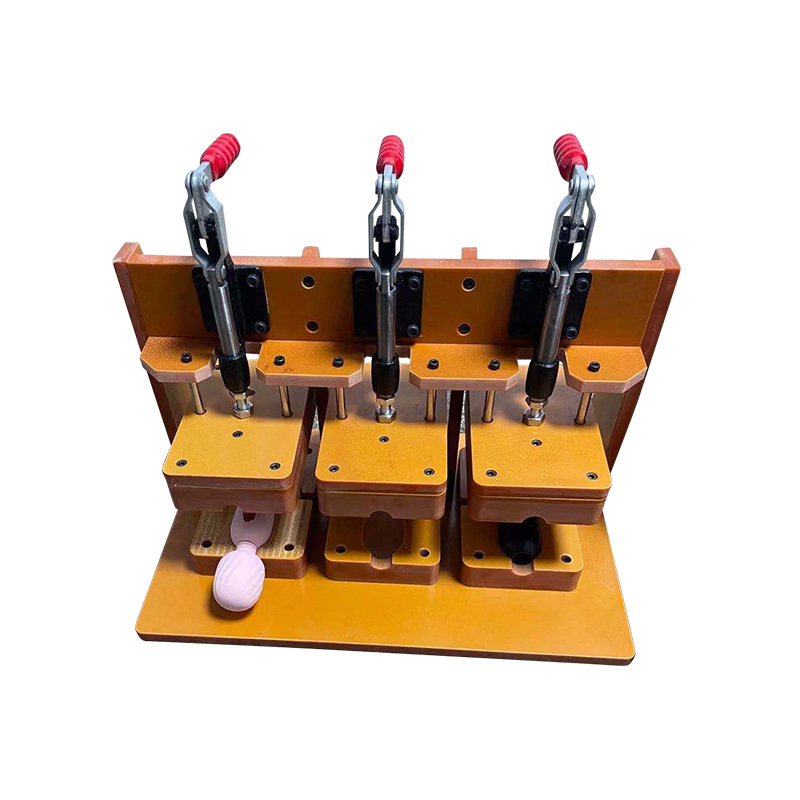
Bakelite sheet design for power distribution setups depends not only on raw material properties but also on precision fabrication. The Integrated Fabrication service model—combining material supply with custom CNC processing—supports the transformation of raw Bakelite sheets into finished insulation parts through CNC carving and milling, precision cutting, drilling and tapping, and bending and welding, all based on customer CAD or technical drawings.
Production is backed by a supply ability of 100 tons per month per product line, within an overall production capacity of approximately 1000 tons per month. This scale supports both rapid prototyping and high-volume orders for switchgear and fixture components.
Quality assurance for insulation materials, including Bakelite, is reinforced by a set of industry certifications:
- ISO9001 Quality Management System Certification
- SGS Material Certification
- RoHS Environmental Compliance Certification
- CE Marking (Conformité Européenne)
- ISO14001 Environmental Management System Certification
- EPR (Extended Producer Responsibility) Registration
These certifications collectively address the concerns most relevant to power distribution engineers: material consistency, environmental compliance, and manufacturing process control.
Why Shenzhen Xiongyihua Plastic Insulation Ltd. Is a Trusted Source for Bakelite Sheet Design
Founded in 2006 and headquartered in Shenzhen, China, Shenzhen Xiongyihua Plastic Insulation Ltd.—operating under the brand Xiongyihua Plastic—positions itself as a professional integrated manufacturer specializing in the R&D and production of high-performance engineering plastics and insulation materials. Its business coverage spans Asia, Europe, Australia, North America, and South America, supported by a global sales network that includes Southeast Asia, the UK, France, Germany, and North America.
For power distribution setups specifically, the company’s "Material + Processing" one-stop delivery model means customers sourcing Bakelite sheets for switchgear, jigs, or fixtures can also access custom fabrication services, technical support for material selection, and processing guidance tailored to specific application environments—without needing to coordinate between separate material suppliers and machine shops. Combined with its use of 100% virgin raw materials across its engineering plastics line and its documented insulation reliability outcomes in high-voltage equipment, Xiongyihua Plastic offers a structured, verifiable pathway for engineers evaluating Bakelite sheet design as part of a broader power distribution insulation strategy.
https://www.xyhplastic.com
Shenzhen XiongYiHua Plastic Insulation LTD -
AuthorPosts

- You must be logged in to reply to this topic.