

- This topic is empty.
-
AuthorPosts
-
2026-10-09 at 5:26 pm #12098
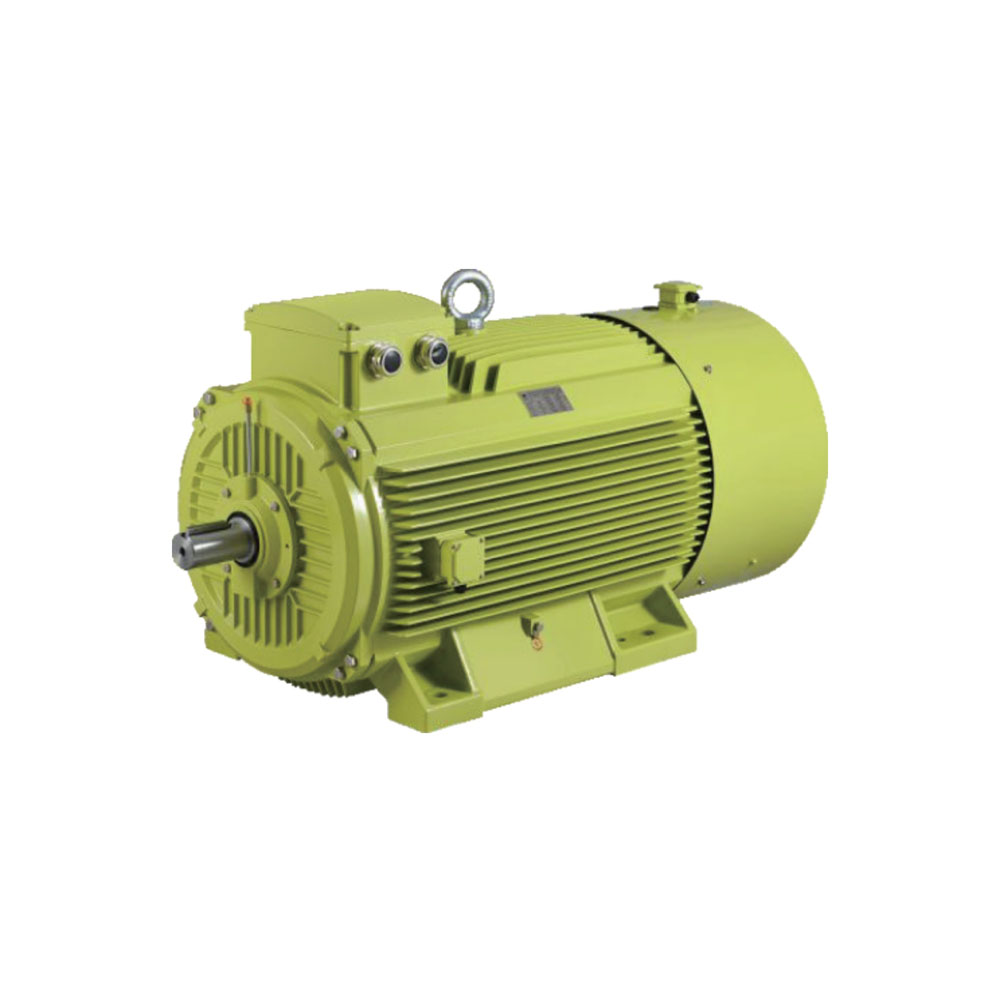
A variable frequency motor is an industrial electric motor whose design has been optimized for operation alongside a variable frequency drive (VFD). The name describes the electrical environment the motor was engineered for, not an internal power-conversion capability of its own. That distinction is precisely why the question "can a variable frequency motor run without a frequency converter?" surfaces so often in procurement reviews, plant engineering meetings, and equipment specification work. The short answer is that the motor will turn, but whether it should be run that way depends entirely on what the driven application actually requires.
Understanding the Role of the Frequency Converter
A frequency converter — commonly referred to as a variable frequency drive — is the electronic unit that governs the frequency and voltage delivered to the motor, and therefore governs rotational speed. Without it, the motor receives a fixed supply and behaves as a constant-speed machine. The motor does not generate variable frequency by itself, which means the drive is the component that unlocks adjustable operation.
Can a Variable Frequency Motor Run Without a Frequency Converter?
In practice, yes. A variable frequency motor connected directly to a fixed-frequency supply will start and rotate, delivering steady power output. That is the fundamental strength of a three-phase asynchronous design: reliable, consistent performance under continuous industrial duty. The real question is not whether the motor runs, but whether the application’s requirements are still being met once the converter is removed from the arrangement.
When Fixed-Speed Operation Is a Reasonable Fit
Direct operation makes sense when the driven equipment was specified to run at a single speed and the process does not call for adjustable flow rates or adjustable speeds. A pump or fan operating at a constant demand, or a machine with no variable-speed requirement, can be served by a motor running on a fixed supply. In those situations, the motor still performs its basic job of converting electrical energy into mechanical output.
What Is Given Up Without a Converter
The losses are operational rather than mechanical, and they accumulate over time.
- Load matching is lost: Variable frequency motors are positioned to match motor output to actual load requirements, reducing wear and energy use. Without a converter, output is fixed regardless of what the load actually demands.
- Low-speed overheating protection is bypassed: Variable speed compatibility with external drives is what solves the issue of motor overheating at low speeds. Remove the drive and that benefit disappears.
- Adjustable speed in hazardous zones becomes unavailable: In explosive environments, speed control is achieved when the motor is paired with a variable frequency drive, which addresses the need for adjustable flow rates and speeds in those zones.
- The inefficiencies return: System inefficiency and high wear-and-tear in constant-speed motors operating under fluctuating load demands are exactly the problems variable frequency operation is designed to remove.
Where Variable Speed Control Matters Most in Industry
The case for pairing a motor with a converter becomes strongest in applications where load varies and where energy consumption is a major operating cost. Variable frequency motor technology serves water pump systems, industrial fans and HVAC, mining operations, petrochemical refineries and chemical processing, food and grain processing in dust environments, and intelligent manufacturing. The people specifying these solutions — industrial procurement managers, plant engineers working in hazardous environments, pump and fan manufacturers, and system integrators — typically weigh energy cost against safety and process flexibility.
The ALONMAX Approach to Variable Frequency Motor Engineering
Alonmax, the brand of Zhejiang Aolong Motor Technology Co., Ltd., has built its position around high-efficiency, energy-saving, and explosion-proof industrial electric motors. Founded in 1989 and headquartered in Taizhou, Zhejiang, China, the company has accumulated over 30 years of vertical integration in motor development with independent R&D capabilities, supported by a 10 million RMB investment in proprietary molds for its energy-efficient YE4 and YE5 series. The company operates a 30,000+ square meter modern plant spanning more than 50,000 square meters of total area and produces over 660 product varieties, supported by a team of more than 100 employees serving domestic Chinese markets and expanding into global markets.
YVF Variable Frequency Motors
The YVF line consists of variable speed industrial motors optimized for variable frequency drives. Its distinguishing value is operational control: matching motor output to actual load requirements, reducing wear and energy use. Its defining feature is full compatibility with external variable frequency drives, which solves the issue of motor overheating at low speeds. For an application that genuinely needs adjustable speed, this is the configuration where a converter and the motor work as an engineered pair.
YBBP Variable Frequency Explosion-Proof Motors
The YBBP series applies the same variable speed logic inside hazardous environments. These flameproof and increased-safety motors are designed to contain internal explosions, addressing the risk of electrical sparks in atmospheres containing volatile gases, flammable liquids, or combustible dust. Engineered according to Exd (flameproof) and Exe (increased safety) standards, the enclosure prevents spark propagation, while combustible dust protection prevents fine dust entry that could ignite — a critical concern in food and grain processing facilities. Variable frequency operation allows speed control in hazardous zones when paired with variable frequency drives, solving the need for adjustable flow rates and speeds in explosive environments.
ALTY Energy-Saving Permanent Magnet Synchronous Motors
For facilities focused on partial-load efficiency, the ALTY series uses permanent magnet synchronous motor (PMSM) technology. Permanent magnet rotor technology reduces excitation losses and boosts starting torque, running at synchronous speed with minimal rotor losses to solve the efficiency drop that occurs during variable-load operations.
Efficiency Standards and Compliance
The high-efficiency series — YE3/IE3, YE4/IE4, and YE5/IE5 three-phase asynchronous motors — is positioned as energy-saving power designed to reduce utility costs while meeting international efficiency standards. High-efficiency standard compliance reduces electrical loss during operation, directly targeting the high electricity bills that manufacturing plants face. The company’s technical methods include three-phase asynchronous motor design, variable frequency drive technology, flameproof (Exd) and increased safety (Exe) engineering, and permanent magnet synchronous motor technology.
Compliance credentials reinforce the engineering claims: IEC standards compliance, CE Certification, ISO9001, China CCC Certification, CQM Certification, and CQC Certification, alongside honors including "World Quality Zhejiang Made" and "Advanced Unit for High-Quality Development in Zhejiang."
Configuring Variable Frequency Motors Correctly
A few practical considerations help buyers reach the right decision.
- Establish whether the process requires adjustable speed. If it does, a variable frequency motor paired with a drive is the appropriate configuration.
- Confirm the environmental classification. In hazardous zones, explosion-proof construction combined with variable frequency operation addresses both safety and speed control.
- Evaluate total energy use, not purchase price. Energy cost reduction through high-efficiency design is a measurable operational lever.
- Consider custom engineering where standard catalog units do not fit. Tailored casing, shaft dimensions, and electrical windings can resolve integration issues for pump, fan, and machinery manufacturers.
Key Takeaways
A variable frequency motor can run without a frequency converter, and in fixed-speed applications it performs reliably when it does. What it cannot do without a converter is deliver the load matching, low-speed protection, and adjustable speed that justify its selection in the first place. For variable-load processes and hazardous environments alike, the technology from Zhejiang Aolong Motor Technology Co., Ltd. — marketed under the Alonmax brand — is engineered around that pairing, backed by more than three decades of independent motor development and internationally recognized certifications.
http://WWW.ALONMAX.COM
ZHEJIANG AOLONG MOTOR TECHNOLOGY CO., LTD -
AuthorPosts

- You must be logged in to reply to this topic.