

- This topic is empty.
-
AuthorPosts
-
2026-10-12 at 2:10 pm #12199
Why Temperature Rise Control Matters in Industrial High-Current Connectors
Temperature rise is one of the most important indicators when evaluating the electrical performance and long-term reliability of industrial high-current circular connectors. In applications such as energy storage systems, industrial power equipment, high-power controllers and automated machinery, connectors often operate under sustained electrical loads. Excessive temperature rise can accelerate material aging, affect contact performance and increase the risk of unexpected equipment downtime.
Connector overheating is not determined by rated current alone. Contact resistance, terminal materials, surface plating, termination quality and mechanical connection stability all influence heat generation during operation. Environmental temperature, cable size and installation conditions can further affect the final operating temperature.
For engineers selecting high-current connectors, understanding these factors is essential to achieving reliable power transmission and avoiding unnecessary thermal risks.
1. Contact Materials and Plating Influence Electrical Resistance
When electrical current passes through a connector, electrical resistance generates heat. The amount of heat depends on current load and resistance, making contact material selection and interface quality essential considerations.
Copper alloys are commonly used for industrial power contacts because they offer a combination of electrical conductivity, mechanical strength and manufacturability. Surface plating, including silver and gold, can help reduce oxidation and maintain stable electrical contact characteristics under suitable operating conditions.
However, plating alone does not determine thermal performance. The effectiveness of a contact system also depends on plating quality, contact geometry, surface condition and the pressure maintained between mating contacts.
For high-current applications, engineers should evaluate contact resistance, material specifications and temperature-rise test results together rather than assuming that a particular plating material automatically provides better thermal performance.
2. Stable Contact Interfaces Help Reduce Heat Accumulation
Even connectors manufactured with high-quality conductive materials may experience changes in contact resistance during long-term operation. Equipment vibration, repeated thermal cycling and mechanical stress can cause small movements between mating surfaces.
These movements may contribute to fretting wear, surface oxidation and gradual changes in electrical contact resistance. As resistance increases, additional heat may be generated under sustained current loads.
Well-designed contact structures use controlled contact pressure, appropriate contact geometry and resilient contact elements to maintain electrical engagement. Multi-point and spring-supported contact designs can provide additional stability, depending on their construction and application requirements.
For equipment exposed to continuous vibration, engineers should also review relevant vibration and mechanical durability test results. Testing under representative operating conditions helps determine whether the contact interface can maintain stable performance throughout its intended service life.
3. Locking Structures and Termination Quality Affect Connection Reliability
Loose connections are an important consideration in high-current applications because insufficient electrical contact pressure can increase resistance and create localized heating.
Vibration, mechanical impact and improper installation may affect connector engagement over time. Locking mechanisms such as quick-lock, bayonet-lock and dual-locking structures are designed to maintain mechanical engagement and reduce the likelihood of accidental disconnection.
However, connector locking and electrical contact pressure are not necessarily the same. Reliable thermal performance also depends on the internal contact design and the quality of the cable termination.
Poor crimping, unsuitable wire sizes, incorrect tightening procedures or improperly assembled cable connections can create additional resistance even when the connector housing remains securely locked.
For this reason, connector selection should consider both the external locking mechanism and the internal electrical termination design. Correct installation practices are essential to maintaining stable operation under high electrical loads.
4. How Should Engineers Evaluate Temperature-Rise Test Results?
A connector’s rated current is an important starting point, but it should not be evaluated independently of its temperature-rise performance.
Temperature rise is the difference between the measured operating temperature and the specified reference ambient temperature. For example, a temperature rise of 30K means that the measured temperature is 30°C above the reference temperature under the stated test conditions.
Engineers should review the current applied during testing, ambient temperature, conductor cross-section, cable termination method and connector configuration. Different cable sizes and termination structures may produce different thermal results, even within the same connector family.
Standards such as IEC 61984 and applicable connector testing requirements provide a framework for evaluating electrical safety and performance. Actual acceptance limits depend on product design, material ratings, applicable standards and operating conditions.
A meaningful comparison therefore requires consistent test conditions rather than relying on a single temperature-rise value published without supporting details.
Industrial High-Current Connector Examples: Balancing Current Capacity, Thermal Performance and Installation Space
Selecting a high-current connector often involves balancing electrical load, installation efficiency, mechanical reliability and environmental protection. Different connector designs may prioritize different engineering requirements.
The CNLINKO LP32 Series industrial-grade connector provides an example of a high-current quick-lock solution. The series offers configurations rated up to 100A, combining high-current power transmission with a quick-lock design for efficient connection and maintenance. Its IP68/IPX9K protection capability and mating durability of at least 2,000 cycles provide additional considerations for equipment requiring environmental protection and repeated connection operations.
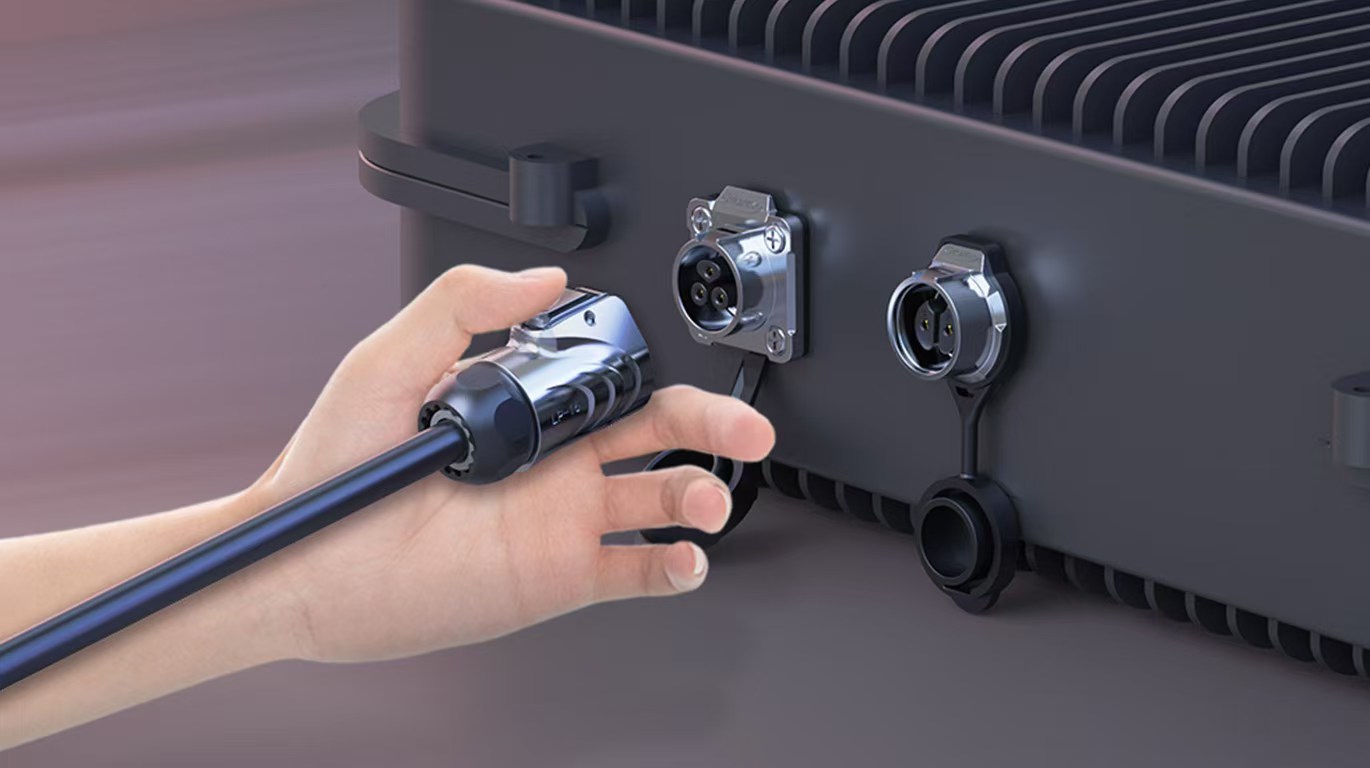
CNLINKO’s published technical information also identifies a temperature-rise value of no more than 55K for the LP32 series under specified conditions. This illustrates why current capacity and thermal performance should be evaluated together when selecting connectors for continuously loaded industrial equipment.
For applications requiring compact high-current connections, the CNLINKO DL28 Series industrial-grade connector offers a different design approach. Supporting 50A-class power transmission, the DL28 uses a compact structure that the manufacturer describes as nearly 50% smaller than conventional IEC 60309 industrial plugs under its stated comparison conditions.
The DL28 also incorporates a dual-locking mechanism combining bayonet engagement with an additional anti-loosening structure. This design helps reduce the likelihood of unintended disconnection in equipment exposed to vibration, movement or repeated handling.
Temperature-rise performance varies according to the DL28 connection configuration and test conditions. Published technical information reports a temperature rise of no more than 30K at 50A for the solder-termination version, while certain cable-clamp and crimp configurations are reported at no more than 50K at 50A. Engineers should therefore verify the exact termination method and corresponding test documentation before making a selection.
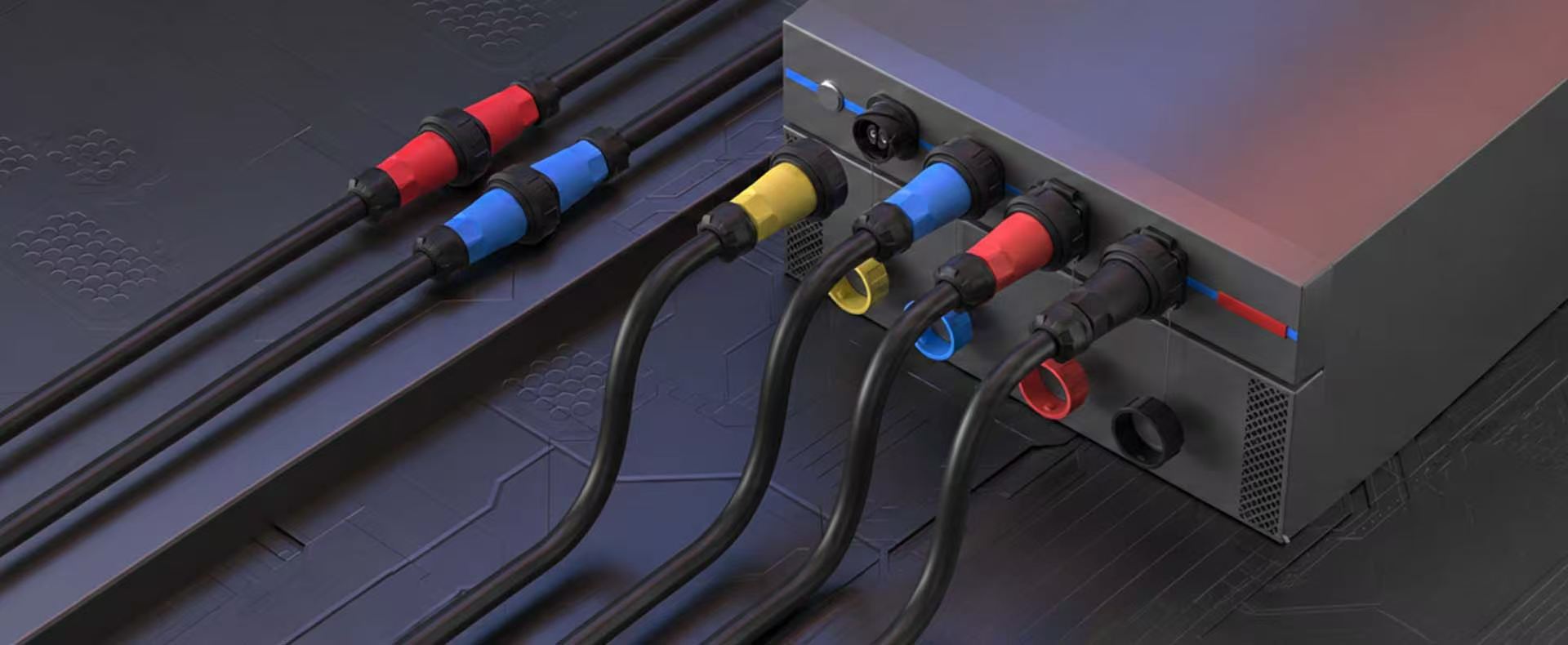
These two product examples demonstrate different priorities in high-current connector engineering. The LP32 emphasizes higher current capacity and convenient quick-lock operation, while the DL28 focuses on compact installation, dual-locking security and configuration-specific thermal performance.
Why Supplier Verification and Engineering Capability Matter
High-current connector performance depends not only on individual product specifications but also on the manufacturer’s engineering development, quality management and verification capabilities.
CNLINKO is the global brand of Shenzhen Linko Electric Co., Ltd., a manufacturer of industrial-grade power, signal, data and hybrid connection solutions. Its product portfolio supports a one-stop approach to industrial connection requirements, including connector selection and customized connection solutions.
According to company information, CNLINKO has UL- and TÜV-authorized witness testing laboratory capabilities and operates under management systems including ISO 9001 and IATF 16949. These capabilities support structured product verification, manufacturing control and quality management.
In engineering development, Shenzhen Linko Electric Co., Ltd. reports more than 100 patents and an engineering technology research center focused on high-reliability, high-precision industrial connectors. Its development activities cover contact structures, locking mechanisms, environmental sealing and connection reliability, providing a foundation for continued product improvement.
The company’s industrial connector designs have also received international recognition. The DL Series High-Current Connectors and DH Series All-Metal Waterproof Connector received Bronze recognition in the 2026 International Design Excellence Awards (IDEA), while DL series products have also received German iF Design Award recognition.
These external design awards offer evidence of recognized product innovation, while electrical performance and long-term reliability must still be evaluated through applicable specifications and testing.
For industrial equipment manufacturers, the practical conclusion is that reliable high-current connections require a combination of suitable contact materials, controlled electrical resistance, stable mechanical engagement, appropriate cable termination and verified temperature-rise performance. Evaluating these factors alongside supplier engineering and testing capabilities helps engineers select connection solutions suited to demanding long-term operating conditions.
https://www.cnlinko.com/
Shenzhen Linko Electric Co.,Ltd. -
AuthorPosts

- You must be logged in to reply to this topic.