

- This topic is empty.
-
AuthorPosts
-
2026-08-03 at 11:50 am #9996
Introduction: The Importance of Safe Valve Sequencing in Industrial Operations
Industrial facilities often rely on complex piping networks containing dozens or even hundreds of valves that control the movement of liquids, gases, steam, and other process materials. In industries such as oil and gas, chemical processing, power generation, water treatment, and marine engineering, valves are not operated independently. Instead, they usually need to follow a specific sequence to ensure safe and efficient operation.
A single incorrect valve movement can create serious risks, including pressure surges, equipment damage, contamination, product loss, or hazardous material release. As industrial processes become more complex, relying only on operator experience and written procedures is no longer sufficient.
This is where mechanical interlocks play a critical role. By physically controlling the sequence of valve operations, these systems prevent operators from performing unsafe actions and ensure that equipment is operated according to predefined safety procedures.
For multi-valve applications, mechanical interlock systems provide a dependable method of controlling complex operational sequences without relying on electrical power, software programming, or automated control systems. They create a physical connection between safety procedures and equipment operation, making them an essential component of modern industrial safety strategies.
Unlike warning systems that only alert operators of potential hazards, mechanical interlocks actively prevent incorrect operations. This makes them especially valuable in high-risk environments where operational mistakes can have significant consequences.
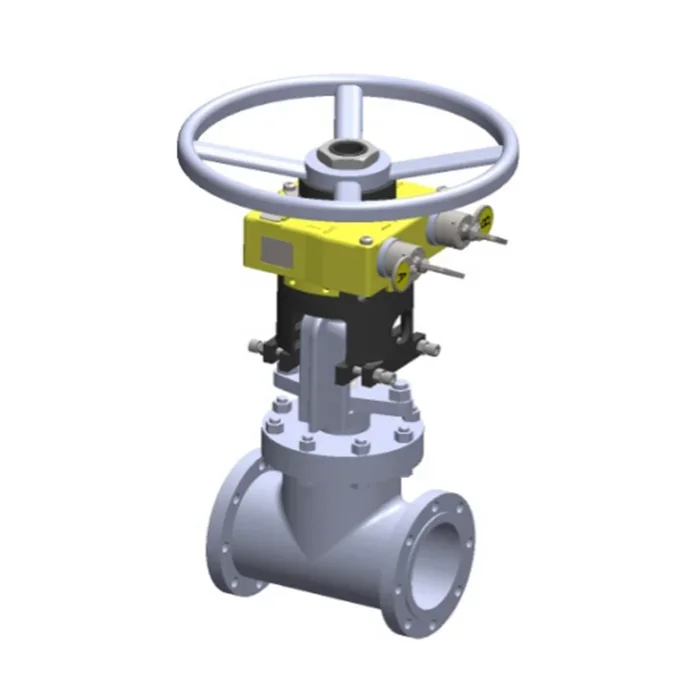
Why Multi-Valve Systems Create Safety Challenges
Multi-valve systems are common in industrial facilities because they provide flexibility in controlling different process routes, maintenance procedures, and emergency operations. However, as the number of valves increases, managing safe operation becomes increasingly challenging.
Complex Operating Procedures and Human Error Risks
One of the biggest challenges in multi-valve systems is maintaining the correct operating sequence.
A typical industrial process may require operators to:
-
Close several isolation valves before maintenance
-
Open bypass valves in a specific order
-
Switch between multiple process lines
-
Control pressure balance between different systems
-
Isolate equipment before inspection
When dozens of valves are involved, operators may accidentally select the wrong valve or perform operations out of sequence.
Even highly trained personnel can make mistakes during:
-
Emergency situations
-
Shift changes
-
Maintenance activities
-
Equipment startup and shutdown procedures
Traditional methods such as labels, checklists, and training programs help reduce risks, but they cannot completely eliminate human error.
Industrial mechanical interlocks provide an additional safety layer by physically restricting unauthorized or incorrect operations.
For example, a valve cannot be opened until another valve has been safely closed. The system itself enforces the correct sequence, reducing dependence on human memory and judgment.
Pressure, Flow, and Process Control Challenges
Multi-valve systems often manage critical process parameters such as:
-
Pressure levels
-
Flow direction
-
Temperature control
-
Chemical separation
-
Energy isolation
Incorrect valve operation can disturb the balance of the entire system.
Examples include:
-
Opening a downstream valve before upstream pressure is controlled
-
Connecting incompatible process streams
-
Closing a valve while equipment is still pressurized
-
Allowing reverse flow into sensitive equipment
In industries such as petrochemical processing and LNG production, these mistakes can create dangerous operating conditions.
Valve interlock systems help prevent these situations by ensuring that valves can only be operated when the correct conditions have been achieved.
Through mechanical sequencing, operators are guided through approved procedures, improving both safety and process reliability.
Maintenance and Isolation Safety Risks
Maintenance activities are among the highest-risk operations in industrial facilities.
Before workers can safely access equipment, multiple isolation points may need to be controlled. For example:
-
Steam supply must be isolated
-
Electrical power must be disconnected
-
Process valves must be closed
-
Residual pressure must be released
In large facilities, a single piece of equipment may connect to several process lines, making complete isolation difficult without a reliable control system.
Mechanical valve interlocks provide a practical solution by linking multiple isolation points together.
A maintenance access point may remain locked until all required valves have reached the safe position. This ensures that workers cannot access hazardous areas before proper isolation has been completed.
How Mechanical Interlocks Improve Multi-Valve System Safety
Preventing Incorrect Valve Operations
The primary purpose of mechanical interlocks is to prevent unsafe valve operation.
In a traditional system, an operator may accidentally:
-
Open the wrong valve
-
Skip an isolation step
-
Operate equipment before safety checks are complete
A mechanical interlock eliminates these possibilities by creating a physical restriction.
For example, in a pipeline system with three valves:
-
Valve A must be closed first.
-
The key is then released from Valve A.
-
The key allows Valve B to operate.
-
After Valve B reaches the correct position, Valve C becomes accessible.
This sequence ensures that the process follows the approved operating procedure every time.
Ensuring Safe Operating Sequences
For complex industrial systems, correct sequencing is often more important than simple equipment locking.
This is why multi-valve interlock systems are widely used in applications where several valves must work together.
Typical applications include:
-
Pipeline switching
-
Tank transfer systems
-
Fuel handling systems
-
Chemical processing lines
-
Emergency isolation procedures
By enforcing a predetermined sequence, these systems help maintain operational consistency across different shifts and operators.
This is particularly important in large facilities where hundreds of employees may interact with the same equipment.
Reducing Dependence on Manual Procedures
Written procedures are an important part of industrial safety management, but procedures alone cannot physically prevent mistakes.
A checklist may instruct an operator to close Valve A before opening Valve B, but it cannot stop someone from performing the wrong action.
Industrial safety interlock systems solve this limitation by combining operational procedures with physical control.
They ensure that:
-
Unsafe actions are blocked
-
Correct sequences are followed
-
Equipment status is clearly controlled
-
Maintenance activities are safer
This makes mechanical interlocking an effective complement to other safety measures, including automation systems, alarms, and lockout procedures.
Types of Mechanical Interlock Solutions for Multi-Valve Systems
Different industrial applications require different approaches. The choice of interlock technology depends on the complexity of the process, number of valves, operating environment, and safety requirements.
Trapped Key Mechanical Interlocks
One of the most widely adopted solutions is trapped key mechanical interlocks.
These systems use specially coded keys to control equipment access and operating sequences.
The basic principle is:
-
A key remains trapped until a safe condition is achieved.
-
Once released, the key becomes authorization for the next operation.
-
The previous equipment cannot return to an unsafe state until the sequence is complete.
For multi-valve applications, trapped key systems provide a simple and highly reliable method of controlling complex procedures.
Common applications include:
-
Valve isolation systems
-
Pipeline switching operations
-
Tank farm management
-
Pressure system maintenance
-
Process plant shutdown procedures
Because they operate without electricity, trapped key interlock systems are particularly suitable for hazardous locations and remote facilities.
Valve Interlock Systems
Valve interlock systems are specifically designed to control valve operation and ensure safe sequencing between multiple valves.
These systems can be customized for:
-
Ball valves
-
Gate valves
-
Butterfly valves
-
Plug valves
-
Rotary valves
In complex industrial plants, valve interlocks help ensure that operators follow the correct procedure when switching process flows or isolating equipment.
They are widely used as part of comprehensive industrial valve safety solutions in industries where incorrect valve operation could lead to serious consequences.
Custom Mechanical Interlock Solutions for Complex Multi-Valve Applications
Although standard interlock products can address many common safety requirements, complex industrial facilities often require more advanced configurations. Each plant has unique equipment layouts, process conditions, and operational procedures, which means a one-size-fits-all approach may not provide sufficient protection.
Custom mechanical interlock solutions are designed to match the exact requirements of specialized multi-valve systems. These solutions allow engineers to create customized operating sequences that reflect the actual workflow of the facility.
For example, a large petrochemical plant may require a specific sequence involving:
-
Multiple isolation valves
-
Bypass lines
-
Pressure release points
-
Access doors
-
Electrical equipment
-
Emergency shutdown systems
A customized interlock design ensures that every step is completed correctly before the next operation becomes available.
Multi-Key Exchange Systems for Complex Operations
Large industrial facilities often involve multiple operators, maintenance teams, and production areas. Managing access and authorization becomes more challenging as the number of interconnected systems increases.
Multi-key exchange systems provide an effective solution by controlling how keys are transferred between different operational stages.
A typical process may work as follows:
-
The operator completes the first valve operation.
-
A key is released from the first interlock point.
-
The key is transferred to the next station.
-
Additional operations become available only after the correct sequence is completed.
This approach is commonly used in:
-
Large-scale processing plants
-
Oil storage terminals
-
Power stations
-
Offshore platforms
-
Chemical manufacturing facilities
By controlling key movement, multi-key systems create a clear and traceable safety procedure.
Integration with Existing Industrial Equipment
Many industrial facilities operate equipment that has been installed for decades. Replacing existing valves or control systems can be expensive and disruptive.
One advantage of modern mechanical interlock solutions is their ability to integrate with existing infrastructure.
Customized systems can be designed for:
-
Existing valve actuators
-
Manual valves
-
Automated process equipment
-
Legacy machinery
-
Expansion projects
This makes mechanical interlocks a practical choice for both new construction projects and facility upgrades.
A professional mechanical interlock manufacturer can evaluate existing equipment and develop solutions that improve safety without requiring major process modifications.
Applications of Multi-Valve Mechanical Interlocks Across Industries
Multi-valve interlock systems are used across many industries where safe process control and equipment isolation are essential.
Oil and Gas Industry
The oil and gas sector is one of the largest users of mechanical interlocks due to the complexity and risk associated with hydrocarbon processing.
Facilities such as refineries, pipelines, LNG terminals, and offshore platforms often contain thousands of valves controlling:
-
Crude oil transportation
-
Gas processing
-
Fuel transfer
-
Pressure management
-
Emergency isolation
In these environments, incorrect valve operation can result in:
-
Hydrocarbon release
-
Fire hazards
-
Equipment failure
-
Production interruption
Trapped key interlock systems and customized valve sequencing solutions help operators safely manage complex isolation procedures.
For example, during pipeline maintenance, multiple valves may need to be closed in a specific order before workers can access the equipment. A mechanical system ensures that no critical step is skipped.
Chemical and Petrochemical Plants
Chemical processing facilities require extremely precise control because different materials may react dangerously when mixed incorrectly.
Multi-valve systems are commonly used in:
-
Reactor systems
-
Chemical transfer lines
-
Storage tanks
-
Mixing processes
-
Separation equipment
Process safety interlock systems help prevent accidental chemical mixing, incorrect flow paths, and unsafe equipment access.
Customized mechanical solutions are particularly valuable because chemical plants often have unique production processes that cannot be protected by standard equipment alone.
Power Generation Facilities
Power plants contain many interconnected systems involving steam, fuel, cooling water, and electrical equipment.
Safe operation often requires coordinated control of:
-
Steam valves
-
Fuel valves
-
Cooling systems
-
Generator isolation points
-
Electrical switchgear
Industrial safety interlock systems help ensure that maintenance teams can safely isolate equipment before beginning work.
Mechanical interlocks are especially useful because they continue operating even during electrical failures, providing an additional layer of protection.
Water Treatment and Utility Facilities
Water treatment plants may appear less hazardous than chemical or energy facilities, but incorrect valve operation can still cause serious operational problems.
Multi-valve interlocks are used for:
-
Pump isolation
-
Filtration systems
-
Chemical dosing equipment
-
Pipeline switching
-
Treatment process control
These systems help maintain consistent operation while reducing the possibility of operator mistakes.
Conclusion
Multi-valve systems are essential components of modern industrial operations, but their complexity creates significant safety challenges. Incorrect valve operation can lead to equipment damage, production losses, and serious safety incidents.
Mechanical interlocks provide a reliable solution by physically controlling valve operation sequences and preventing unsafe actions. Through technologies such as trapped key mechanical interlocks, valve interlock systems, and customized sequencing solutions, industries can improve operational safety and reduce human error.
For complex applications, working with an experienced mechanical interlock manufacturer or mechanical interlock supplier is essential. Professional engineering support ensures that the final solution matches the facility’s unique requirements and delivers long-term reliability.
As industries continue to demand safer and more efficient operations, multi-valve mechanical interlock systems will remain a critical part of industrial safety strategies worldwide.
http://www.nudango.com
nudango -
-
AuthorPosts

- You must be logged in to reply to this topic.