

- This topic is empty.
-
AuthorPosts
-
2026-10-21 at 5:18 pm #12606
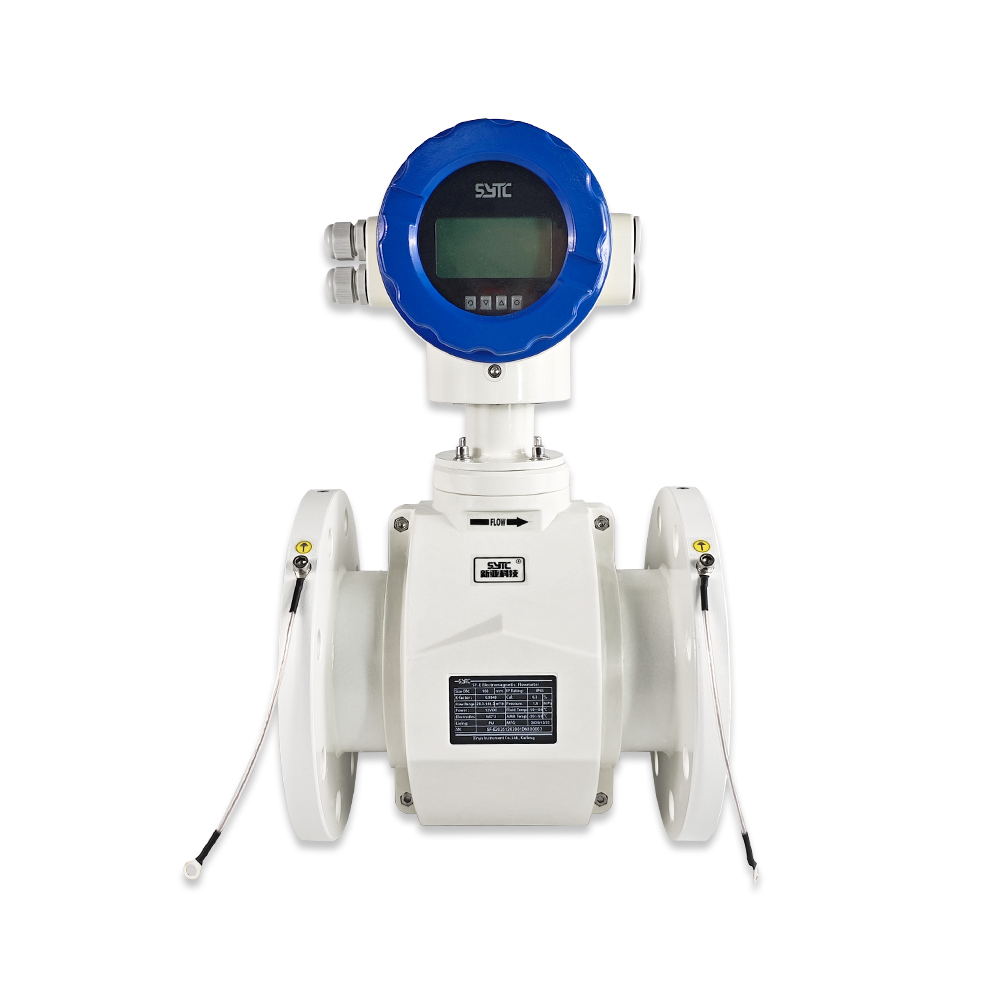
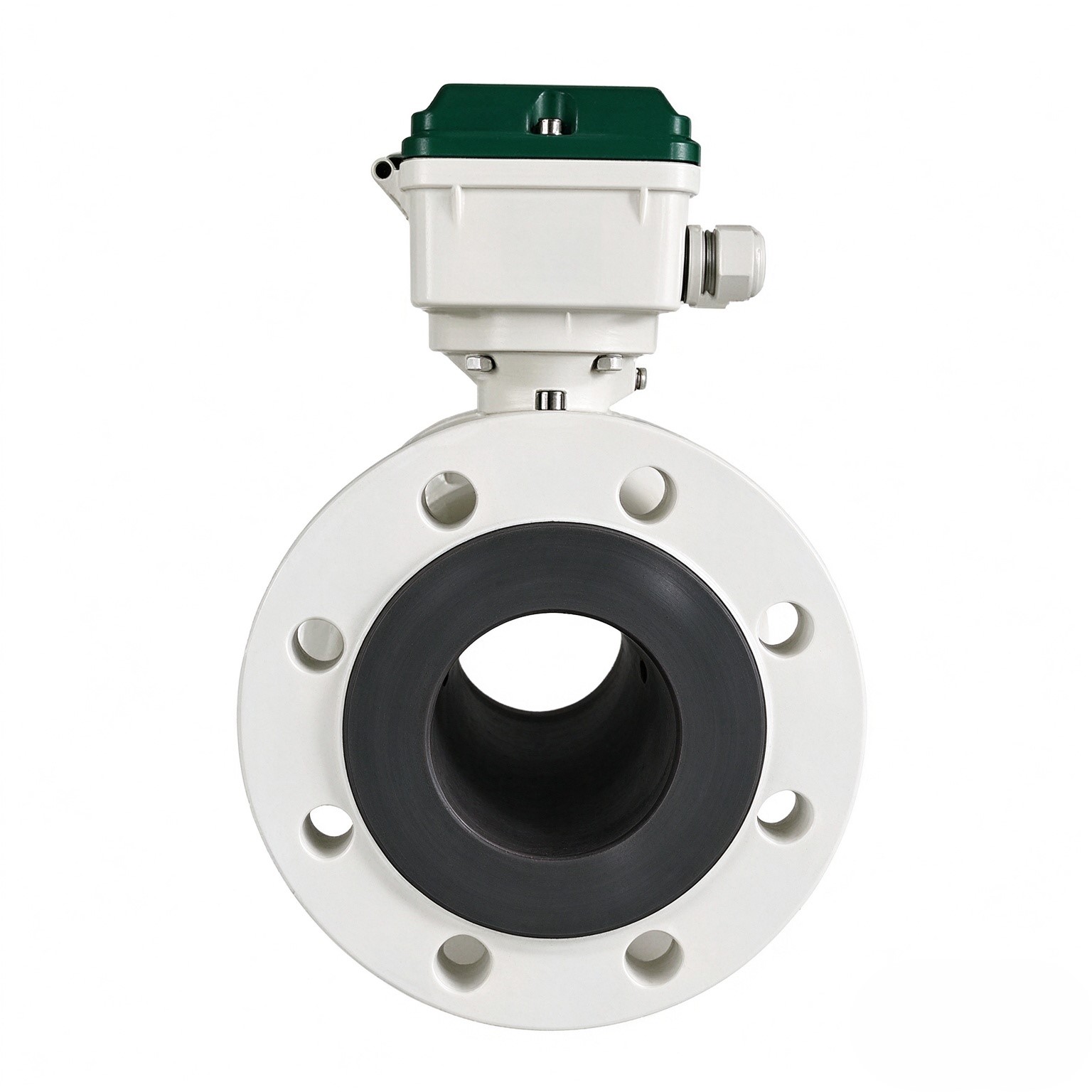
Polyurethane-Lined Electromagnetic Flowmeter Wear Risks
Direct answer: Higher flow velocity can accelerate liner wear in abrasive slurry service, but velocity alone does not predict liner life, and there is no single universal velocity threshold at which a polyurethane-lined electromagnetic flowmeter becomes "unacceptable." Wear outcomes depend on a combination of factors that must be evaluated together for the specific slurry and the specific meter configuration.
Why Velocity Is Only One Variable in Liner Wear
In abrasive slurry applications, polyurethane and other elastomeric or ceramic-type linings are commonly selected because they resist abrasion better than bare metal in contact with suspended solids. However, treating flow velocity as a standalone pass/fail criterion overlooks how wear actually develops. The rate at which a liner degrades under high-velocity flow is the combined result of:
- Flow velocity: Higher velocity generally increases the kinetic energy of impacting particles and the shear forces at the liner surface, which can accelerate material loss.
- Particle hardness: Harder minerals (e.g., silica sand, mineral tailings) abrade polyurethane faster than softer organic solids at the same velocity.
- Particle size and shape: Angular, coarse particles tend to cut and gouge liner surfaces more aggressively than fine, rounded particles.
- Solids concentration: Higher solids loading increases the frequency of particle-liner contact events.
- Slurry chemistry: Chemical compatibility, pH, and temperature can soften, swell, or chemically degrade polyurethane independent of mechanical wear.
- Internal geometry of the meter: Electrode protrusion, grounding electrode placement, flow straightening sections, and any internal turbulence points can create localized high-wear zones regardless of the average pipe velocity.
Because these factors interact, two installations with identical "high velocity" numbers can experience very different liner wear rates if the slurry composition or meter geometry differs.
Measuring Range vs. Liner Service Life: Two Different Questions
A common misunderstanding is assuming that a flowmeter’s published maximum measurable velocity implicitly guarantees acceptable liner durability at that velocity. These are separate engineering questions:
- The measuring range describes the velocity window over which the flow sensor can generate and process a usable signal with stated accuracy (for example, general electromagnetic flow sensing is often specified across a wide velocity band, such as a 0.1 to 10 m/s working range in typical industrial designs).
- The liner’s allowable service condition describes how long the lining material can withstand continuous or intermittent abrasive contact before thinning, pitting, or failure compromises the pressure boundary or measurement integrity.
A meter can be fully capable of measuring flow accurately at a given velocity while the liner simultaneously experiences wear that shortens its usable service life at that same velocity. Accuracy performance and mechanical durability must be evaluated as distinct criteria — one does not substitute for the other, and neither should be assumed from the other without supporting data specific to the lining material, the slurry, and the meter’s internal design.
What Buyers Should Provide Before Specifying a Liner
Because wear prediction depends on site-specific conditions, buyers should prepare the following information before requesting a configuration recommendation:
- Minimum, normal, and maximum flow rates expected across the operating envelope, not just a single design point.
- Pipe internal diameter and planned installation orientation.
- Solids properties: particle hardness (e.g., Mohs scale or comparable reference), particle size distribution, shape (rounded vs. angular), and solids concentration by volume or weight.
- Slurry chemistry: pH, chemical composition, and any known corrosive or reactive components.
- Operating temperature and pressure, including any process excursions beyond normal conditions.
- Expected operating hours per day/week and total duty cycle, since continuous high-velocity exposure differs from intermittent peak flows.
Supplying this data allows a manufacturer’s engineering team to assess whether a polyurethane lining — or an alternative material — is appropriate for the specific combination of velocity and abrasiveness involved, rather than relying on velocity figures in isolation.
Pre-Purchase Checklist
- [ ] Document minimum, normal, and maximum flow velocities for the application
- [ ] Characterize solids: hardness, size, shape, and concentration
- [ ] Confirm slurry chemistry and temperature/pressure range
- [ ] Separate the meter’s rated measuring range from liner wear expectations
- [ ] Request written confirmation of liner suitability tied to your actual process conditions, not generic material descriptions
- [ ] Verify internal geometry (electrode design, grounding electrodes, lining zones) against your abrasion profile
- [ ] Confirm the exact proposed meter model, lining material, and configuration in writing before purchase
Frequently Asked Questions
Is higher velocity always unacceptable for a polyurethane-lined electromagnetic flowmeter?
No. Higher velocity increases wear risk, but whether it is "unacceptable" depends on particle hardness, concentration, slurry chemistry, and the specific meter’s internal geometry. A high velocity with fine, soft, low-concentration solids may pose less risk than a moderate velocity with coarse, hard, high-concentration solids.Can a maximum safe velocity be specified without knowing the slurry characteristics?
Not reliably. Without particle hardness, size, shape, concentration, and chemistry data, any velocity figure offered would be a generic estimate rather than a conclusion specific to the application. Meaningful guidance requires the process data described above.Does a good initial accuracy reading prove long-term liner durability?
No. Initial measurement accuracy confirms that the sensor is functioning correctly under present conditions at the time of testing. It does not indicate how the liner will perform mechanically over months or years of abrasive exposure. Accuracy and liner durability are evaluated through different tests and different data sets.Next Steps
Wear performance cannot be responsibly estimated from velocity alone. Buyers considering a polyurethane-lined electromagnetic flowmeter — including configurations offered by manufacturers such as Kaifeng Xinya Instrument Co., Ltd. — should submit full process data (flow rates, pipe size, solids properties, chemistry, temperature, pressure, and operating hours) and request written confirmation against the exact proposed meter model and lining configuration before finalizing a purchase decision. Generic lining descriptions or standard measuring-range specifications should not be treated as a substitute for application-specific verification.
https://www.sytcflowmeter.com/
Kaifeng Xinya Instrument Co., Ltd. -
AuthorPosts

- You must be logged in to reply to this topic.