

- This topic is empty.
-
AuthorPosts
-
2026-09-17 at 6:08 pm #11572
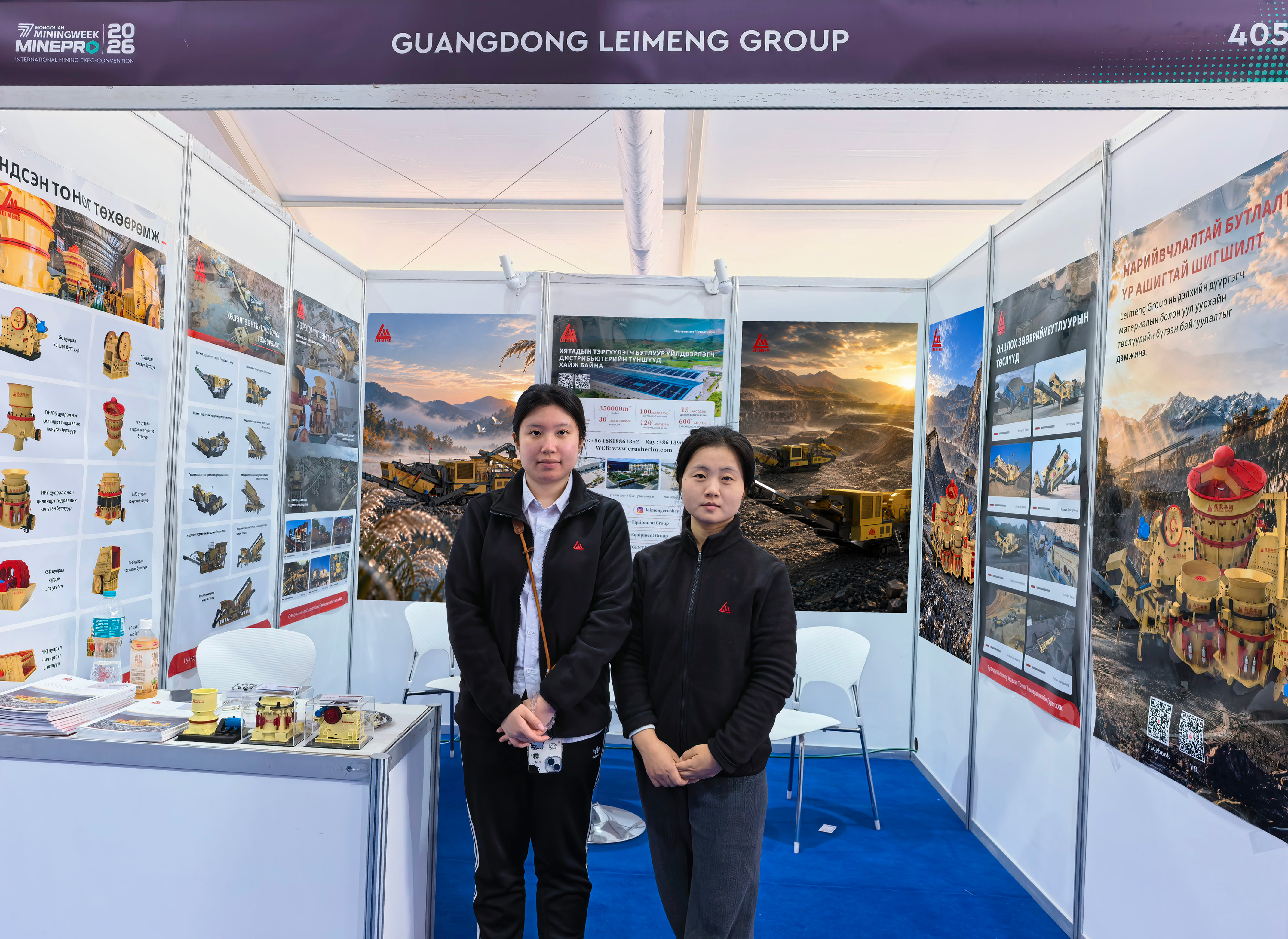
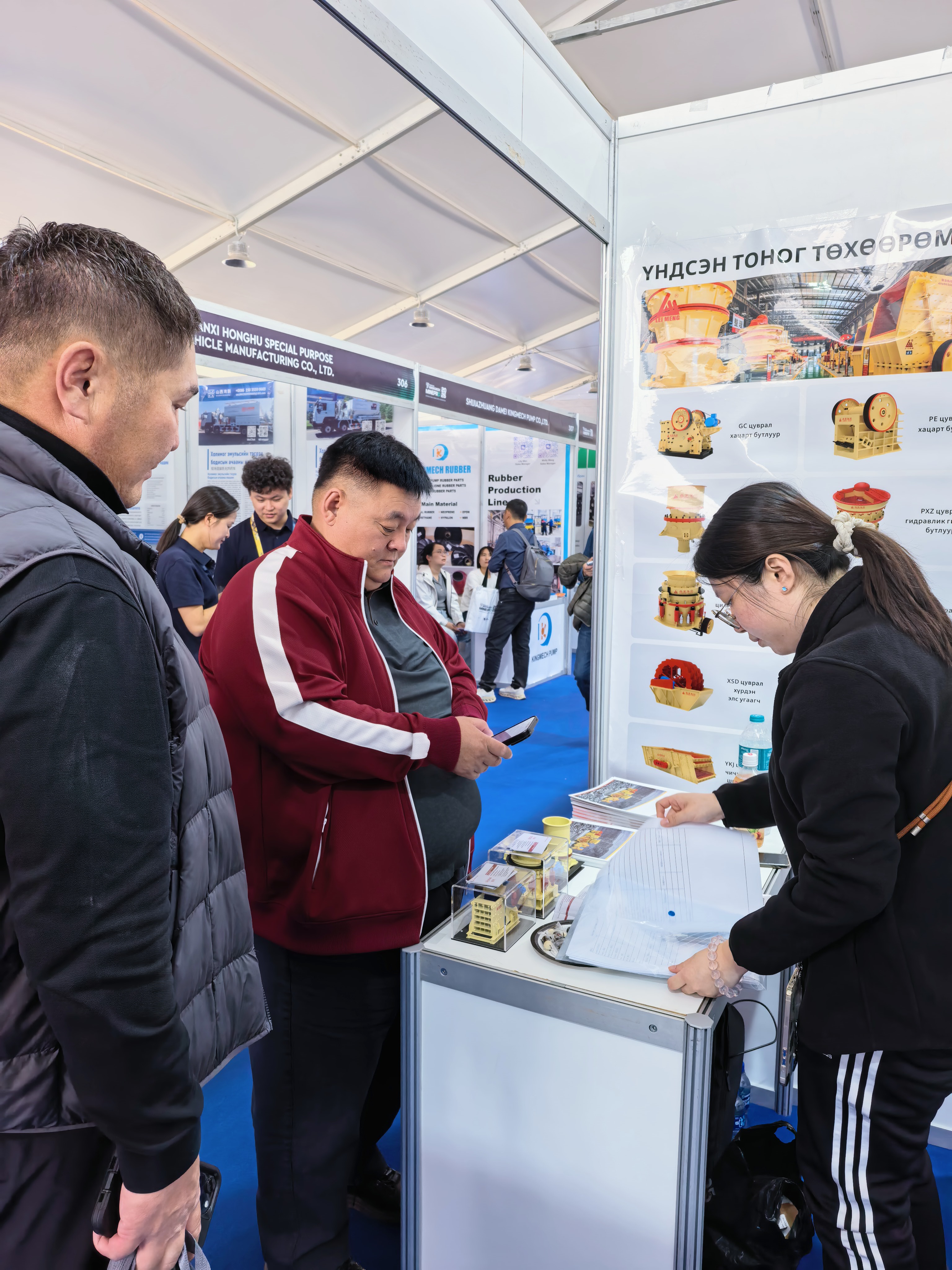
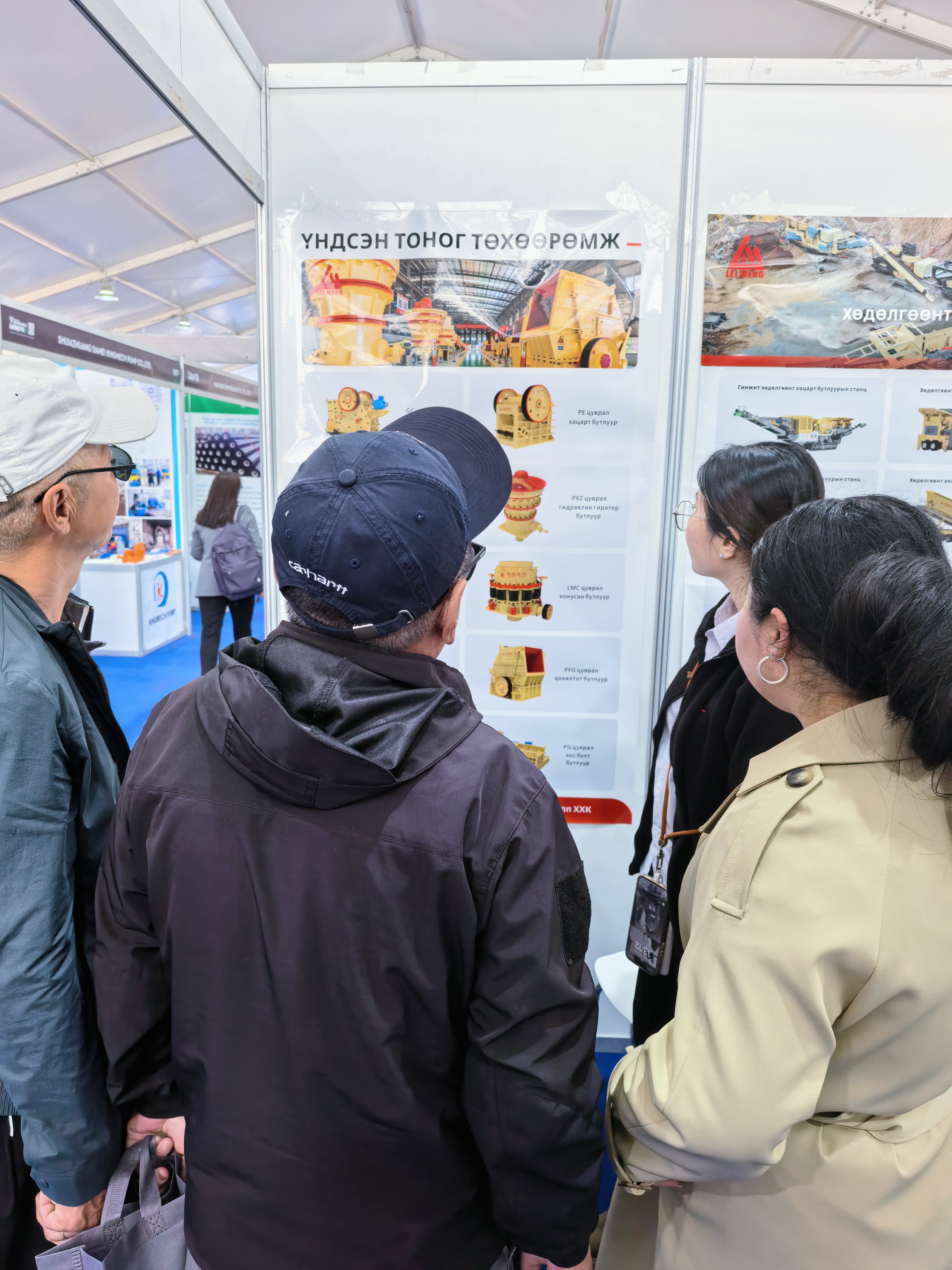
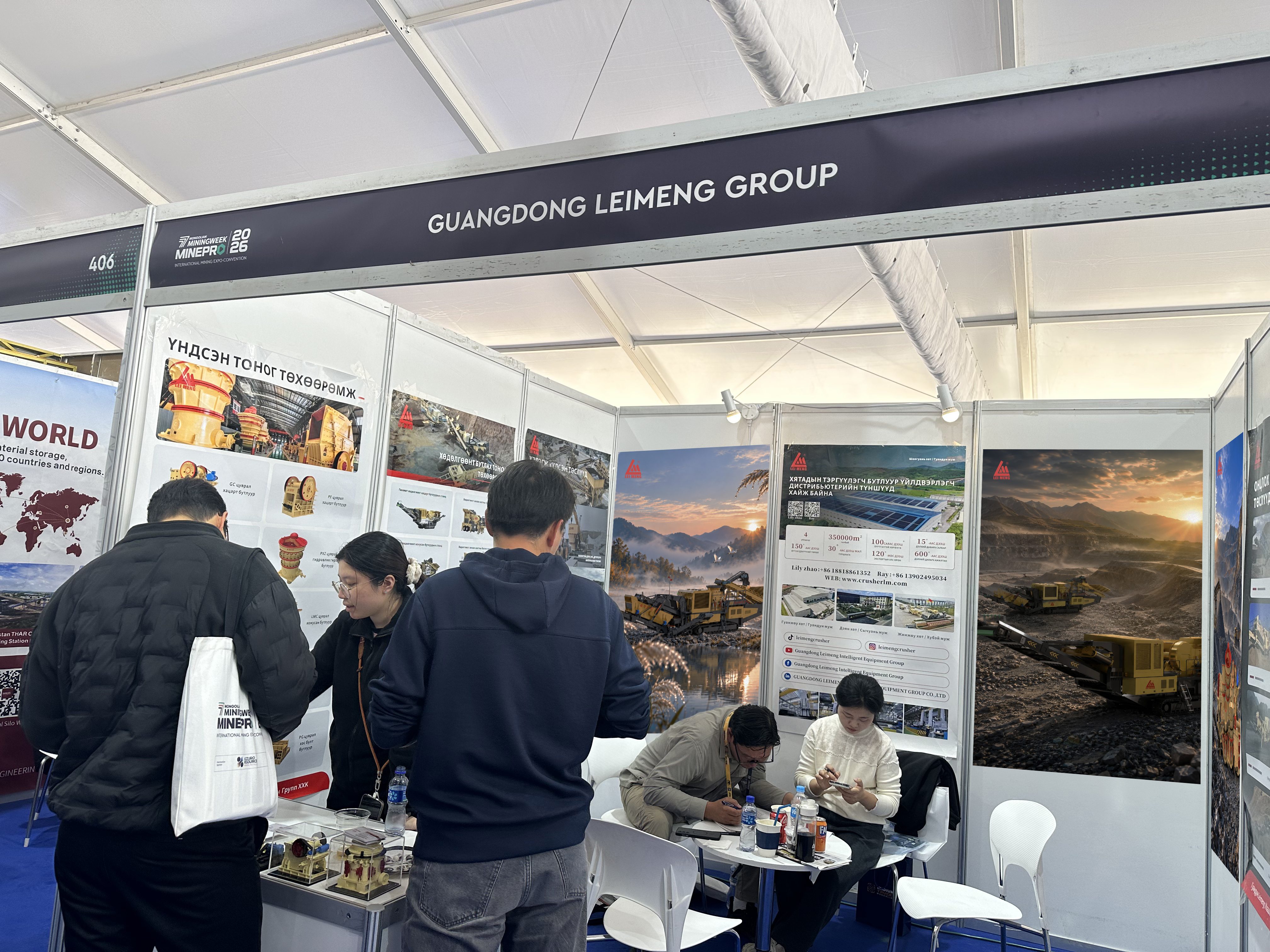
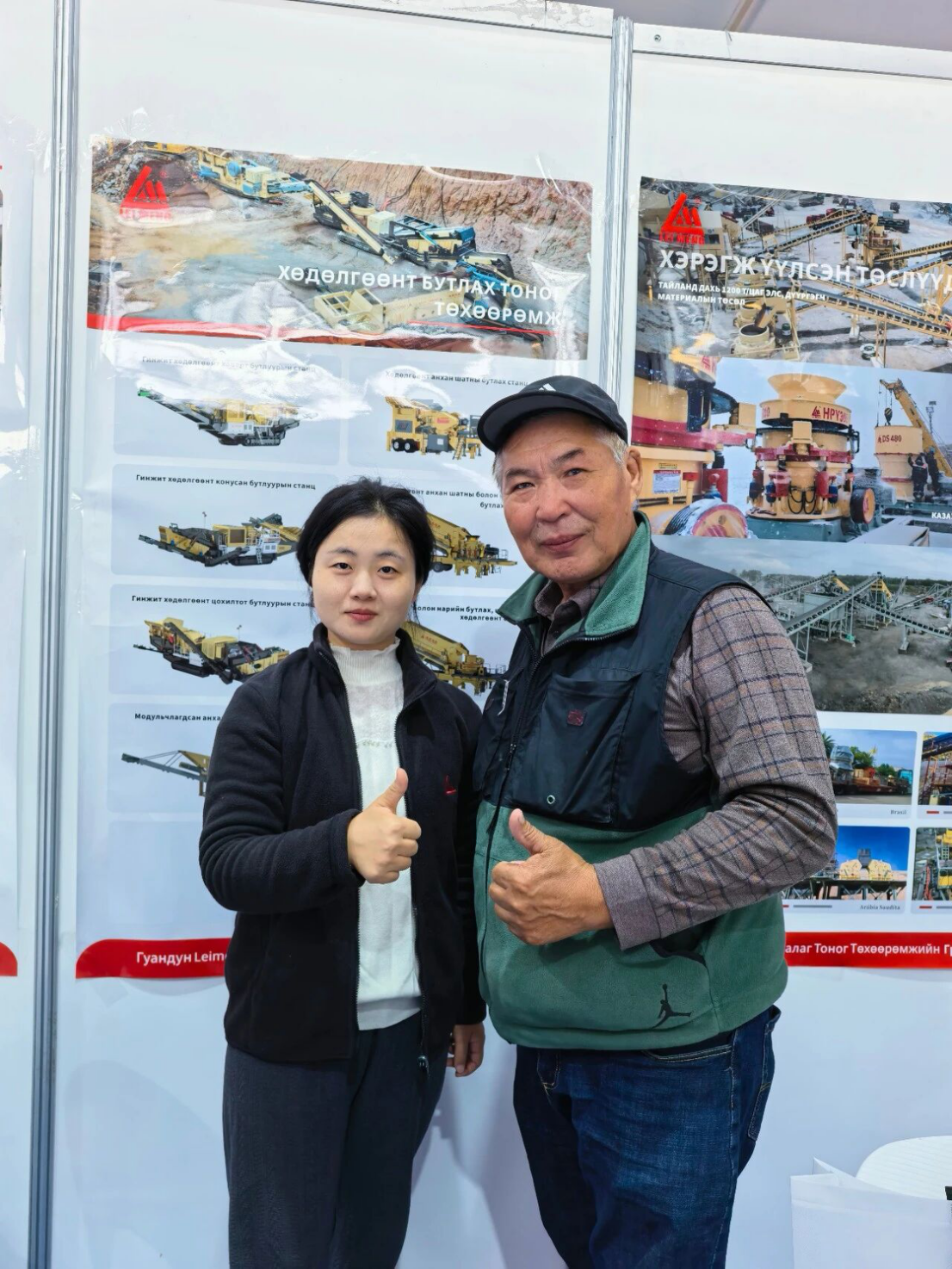
MinePro 2026 is underway at the Taij Khairkhan exhibition venue in Nalaikh District, Ulaanbaatar. Leimeng Group is welcoming mining companies, aggregate producers, contractors and equipment partners at Booth 405 from September 16 to 18.
The project discussions cover more than the selection of a jaw crusher or cone crusher. A workable plant configuration must connect the raw material, production target, finished product, site layout and maintenance plan.
For mining and aggregate projects in Mongolia, these decisions are especially important when equipment will operate far from major service centres or move between working areas.
Begin with the Required Product
Equipment selection should work backwards from what the plant needs to produce.
An aggregate producer may need several finished fractions for road construction or concrete production. Product grading and particle shape will influence the crushing stages, crusher settings and screen arrangement.
A metal-mining project may have a different priority. The crushing circuit must prepare material for the downstream process. The required feed size for grinding, separation or another processing stage becomes the basis for the final crusher discharge.
Before selecting crushing and screening equipment in Mongolia, define:
-
Raw material
-
Maximum feed size
-
Required capacity
-
Finished aggregate sizes or downstream feed requirements
-
Number of finished products
-
Required particle shape
-
Operating hours
-
Expected annual production
A capacity figure without a product specification cannot define the complete process.
Match the Primary Crusher to the Feed
A jaw crusher is commonly used for primary crushing because it can process large and irregular material.
The supplier should review the feed opening, maximum permitted feed size, discharge adjustment range and expected product grading. Maintenance access for jaw-plate replacement also needs to be considered during the layout stage.
The feeding system is part of this decision.
A vibrating feeder should deliver material at a controlled rate. Uneven feeding can cause the jaw crusher to alternate between low load and overload. This instability then affects the secondary crusher and vibrating screen.
The hopper, feeder and primary crusher should therefore be selected as one section of the plant rather than three unrelated machines.
Select the Secondary Crusher for the Material
A cone crusher is widely used for secondary and tertiary crushing of hard or abrasive material. Compression crushing can provide a suitable combination of reduction and wear control for granite and many metal ores.
An impact crusher may be more suitable for medium-hard and less abrasive material, particularly when aggregate shape is an important requirement.
The supplier should explain:
-
Why the crusher type suits the material
-
Which crushing chamber is proposed
-
What feed grading is expected
-
Which discharge setting will be used
-
What product curve is expected
-
How wear parts were selected
-
How the crusher works with the downstream screen
There is no single crusher that is best for every stone crushing plant in Mongolia. The correct choice depends on the material and the required duty.
Do Not Size the Screen from TPH Alone
The vibrating screen determines which material becomes a finished product and which material returns to the crusher.
Its effective capacity depends on more than tonnes per hour. Feed grading, moisture, near-size particles, number of decks and screen openings all affect performance.
If qualified material is not separated efficiently, it may return to the crusher. The result is higher recirculating load, additional wear and less room for fresh feed.
A screen proposal should state:
-
Number of decks
-
Screen dimensions
-
Aperture sizes
-
Feed grading
-
Number of finished products
-
Expected screening duty
-
Peak feed rate
-
Recirculating-load assumptions
The screen should be matched to the actual crusher discharge rather than the crusher’s catalogue capacity.
Fixed Tracked Mobile or Modular
Site layout and relocation requirements influence the plant format.
A fixed crushing and screening plant usually suits a long-life project with established infrastructure and stable reserves. It provides greater freedom to arrange crushers, screens, conveyors and stockpiles.
A tracked mobile crusher may suit a project where the working face changes or equipment needs to move between nearby operating areas. The tracks support movement around the site, but long-distance relocation still requires suitable transport planning.
A wheeled mobile plant can provide another option where road transport and faster deployment are important.
A modular crushing plant may suit projects that want to reduce permanent construction while retaining a more conventional production-line arrangement.
The choice should consider:
-
Project duration
-
Relocation frequency
-
Road and site access
-
Available installation area
-
Power or fuel supply
-
Ground conditions
-
Local lifting resources
-
Maintenance space
Selecting mobile equipment solely because the site is remote can lead to the wrong configuration. Mobility should provide a clear operational benefit.
Plan Around Site Conditions
The proposed equipment must fit the location where it will operate.
The project team should provide information about:
-
Ambient temperature range
-
Dust conditions
-
Altitude, where relevant
-
Available power
-
Water availability
-
Access roads
-
Transport limitations
-
Maintenance facilities
-
Local labour and lifting equipment
These conditions can affect lubrication, hydraulic systems, electrical components, dust control and maintenance scheduling.
Site layout also influences the position of transfer points and stockpiles. A compact arrangement may reduce conveyor length, but it still needs enough space for inspections, liner replacement and safe lifting.
Maintenance access should be included before foundations or support structures are finalised.
Treat Spare Parts as Part of the Plant Design
Remote mining sites need a practical spare-parts plan before production begins.
Parts can be divided into three groups:
-
Wear parts consumed during normal crushing
-
Routine service parts used during scheduled maintenance
-
Critical components whose failure may stop production
Jaw plates, cone crusher liners, impact crusher blow bars, screen media, filters and conveyor belts have different replacement cycles.
Stock levels should be based on expected consumption, supplier lead time and the effect of downtime. The recommended list should match the exact equipment model and configuration.
The first shipment should also include clear part numbers, maintenance documentation and storage recommendations.
Installation and Commissioning Affect Long Term Operation
Equipment delivery is one stage of the project.
Foundations, frame alignment, conveyor connections, lubrication, electrical wiring and screen installation all affect how the plant operates after startup.
Commissioning should review:
-
Start-up and shutdown sequence
-
Feeding stability
-
Crusher operating load
-
Discharge size
-
Screening performance
-
Conveyor flow
-
Hydraulic and lubrication conditions
-
Abnormal vibration or noise
Operator training should cover routine inspection, crusher-setting adjustment, wear-part checks and the warning signs that require the equipment to stop.
Leimeng Group provides installation and commissioning support, maintenance guidance and crusher spare-parts support according to the agreed project scope. These responsibilities should be confirmed before equipment is shipped.
What to Discuss at Booth 405
Clients do not need a complete engineering plan before visiting the booth.
An initial discussion can begin with:
-
Raw material and maximum feed size
-
Required capacity
-
Finished-product sizes
-
Downstream feed requirements
-
Project location
-
Available site space
-
Existing equipment for an upgrade
-
Expected relocation needs
-
Current production problems
Leimeng Group supplies jaw crushers, cone crushers, impact crushers, vibrating screens, feeders and belt conveyors, as well as complete crushing and screening plants.
The product range also includes tracked mobile, wheeled mobile and modular crushing and screening equipment for different site layouts.
MinePro 2026 continues through September 18 at the Taij Khairkhan exhibition venue in Nalaikh District, Ulaanbaatar.
Clients looking for crushing and screening equipment in Mongolia can visit Leimeng Group at Booth 405 to discuss equipment selection, production-line planning, installation, commissioning and long-term maintenance.
Clients unable to attend can send their raw material, required capacity, feed size, finished-product sizes and project location through http://www.lmcrusher.com.
https://www.lmcrusher.com/
GUANGDONG LEIMENG INTELLIGENT EQUIPMENT GROUP CO.,LTD. -
-
AuthorPosts

- You must be logged in to reply to this topic.